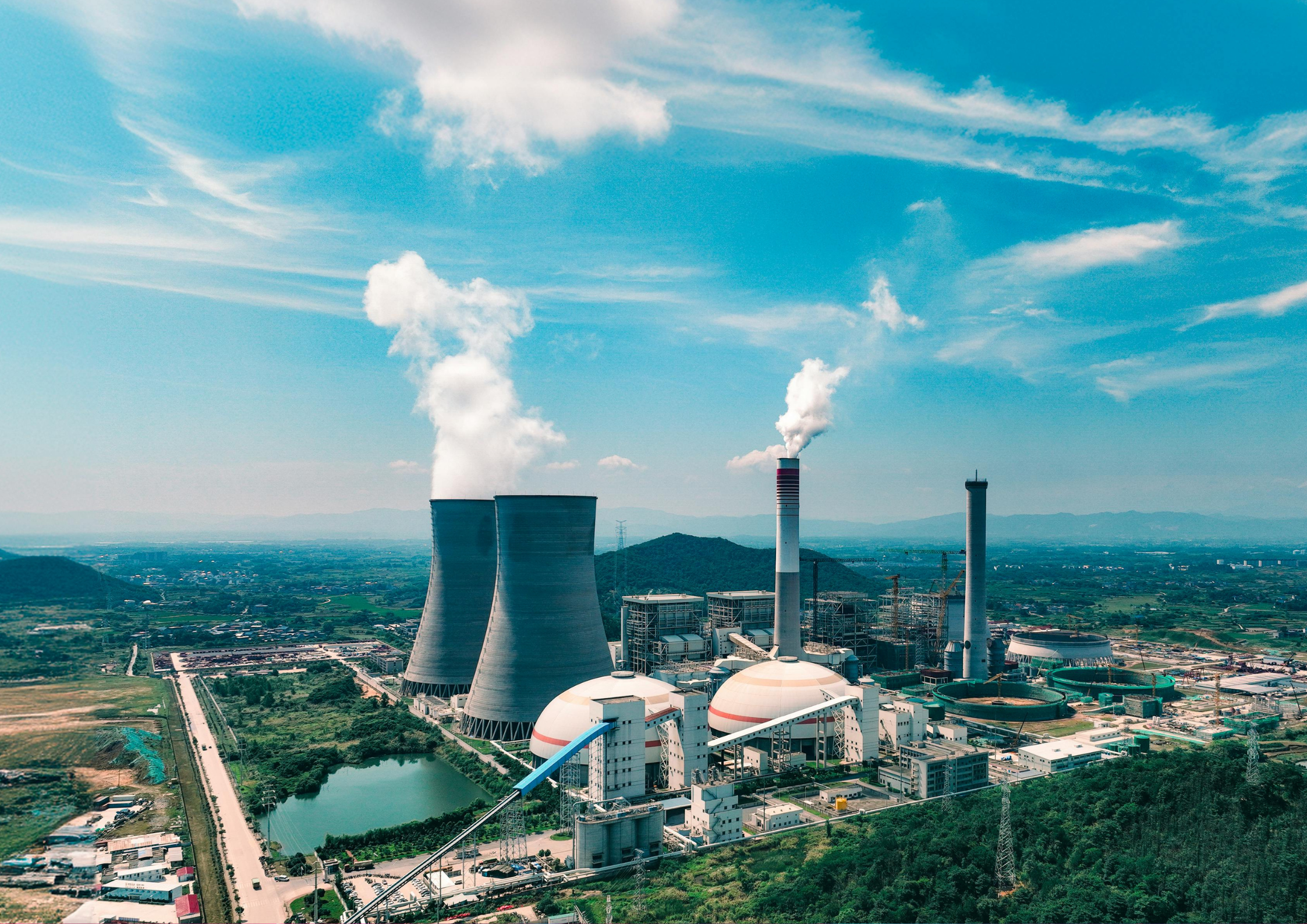
Google and Constellation Energy have agreed a 20-year deal designed to add 890 MW of nuclear capacity through upgrades to existing US reactors
Google and Constellation Energy have agreed a long-term power deal designed to unlock 890 MW of additional nuclear capacity in the US, linking Google’s growing AI and data center energy demand with upgrades to existing reactors and a new deployment of Gemini Enterprise inside Constellation’s operations.
The 20-year power purchase agreement will finance new equipment and technology across 11 Constellation-owned nuclear units at six sites in Illinois, Pennsylvania and New Jersey. Rather than building new reactors, the companies plan to increase the output of existing facilities through upgrades to equipment including turbines, steam generators and digital control systems.
Constellation says the program represents more than $4.3 billion of new investment, will help sustain around 4,400 existing jobs and is expected to support approximately 7,200 construction jobs.
The additional 890 MW is roughly equivalent to the output of a new large-scale nuclear reactor. The first upgraded capacity is expected to reach the grid in 2028, with the full program scheduled to be delivered before the end of 2032.
Google has been building a wider nuclear energy portfolio as electricity demand from its US data centers increases.
The company says its agreements involving reactor upgrades and the return of dormant nuclear facilities have now enabled more than 1.5 GW of new nuclear capacity for the US energy system.
That includes work with Georgia Power on reactor uprates, a project with NextEra Energy to restart Iowa’s Duane Arnold Energy Center and an agreement with Kairos Power and the Tennessee Valley Authority around advanced nuclear reactors in Tennessee.
Amanda Peterson Corio, Google’s Global Head of Energy and Power, says the Constellation agreement is intended to add supply without transferring the cost of the upgrades to other electricity customers.
“We’re committed to meeting our growth responsibly by actively investing in clean, reliable power that brings new capacity to our nation’s grids,” she says. “Our agreement with Constellation to fund nuclear reactor uprates will strengthen the PJM grid, which serves 67 million people, all while protecting energy affordability and supporting local union jobs.”
In a LinkedIn post, Ruth Porat, President and Chief Investment Officer at Alphabet and Google, described the 890 MW of new capacity as “the equivalent of bringing a new, large-scale nuclear reactor online.”
The companies have also agreed a separate 15-year energy supply arrangement covering an additional 2,700 MW from Constellation’s existing PJM fleet.
The agreement goes beyond electricity supply.
Constellation has also selected Google Cloud and Gemini Enterprise as part of an expanded five-year technology partnership. The companies plan to use AI across three areas of nuclear operations: planning new capacity, improving plant performance and protecting critical infrastructure.
Gemini Enterprise agentic workflows are expected to support tasks including power-flow modeling, site selection, permitting and interconnection planning. Constellation also plans to use the technology for asset health monitoring, outage management and construction planning.
Google Cloud technology will additionally be used around operational technology networks connected to critical energy infrastructure, including networks that are isolated from the public internet.
Joe Dominguez, Chairman, President and CEO of Constellation, says the agreement is intended to provide a model for technology companies funding additional electricity supply alongside their own growing demand.
“Preserving and expanding the output of the existing nuclear fleet and developing new clean generation is critical to meeting our nation’s growing energy needs while keeping costs affordable for homes and businesses,” he says.
Google says its current nuclear agreements are expected to contribute nearly a quarter of the US Department of Energy’s target to enable 5 GW of additional domestic nuclear capacity through reactor uprates and restarts by 2030.
© EdTech Innovation Hub. All rights reserved. No part of this website, including text, graphics, logos, images, and software, may be reproduced, distributed, or transmitted in any form or by any means without the prior written permission of EdTech Innovation Hub.
About the Author