KABUL, AFGHANISTAN – The World Health Organization (WHO) has called on people to listen to one another with kindness and without judgment to build healthier families and communities, as millions of Afghans continue to face psychological distress amid the country’s ongoing humanitarian crisis.
Edwin Ceniza Salvador, the WHO representative in Afghanistan, said in a video message on Saturday, October 10, marking World Mental Health Day, that this year’s theme emphasizes the importance of listening to people’s lived experiences and ensuring their voices are heard.
Salvador said many people across Afghanistan carry invisible emotional burdens arising from loss, hardship and the daily challenges of life. He stressed that mental health care is as important as physical health care and encouraged people to support one another, speak openly about psychological difficulties and listen without judgment.
World Mental Health Day is observed annually on October 10 and has been marked internationally since 1992 to raise awareness of mental health conditions and promote access to psychological support.
According to the WHO’s public health situation analysis published in March 2026, more than half of Afghanistan’s population experiences psychological distress. The organization has also reported that the country has only 320 hospital beds available for people with mental health conditions, highlighting the severe shortage of specialized services.
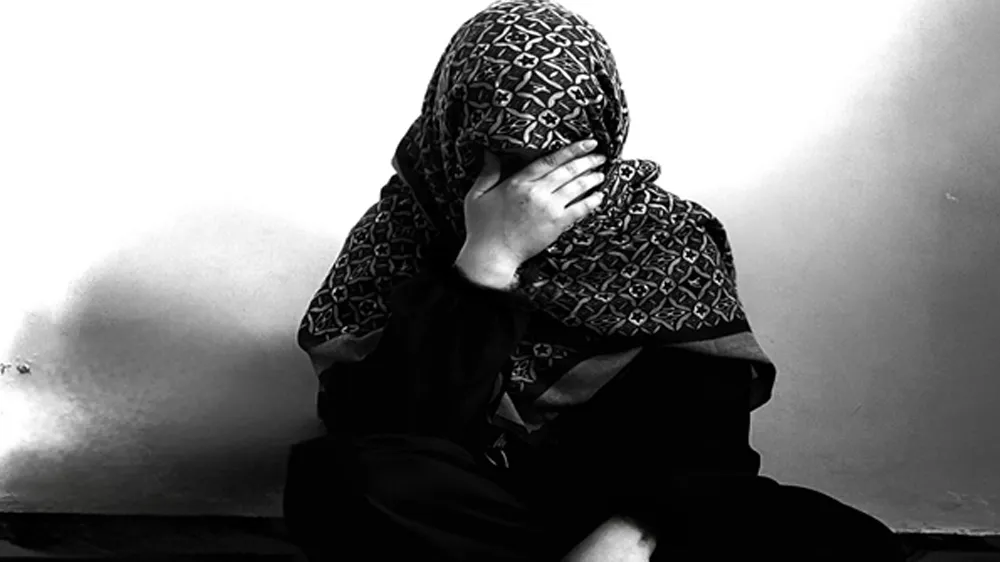
Women and girls face particularly intense psychological pressure because of restrictions imposed by the Taliban on their access to education, employment and public life. These restrictions have limited opportunities for social interaction, personal development and economic independence, further contributing to concerns about their mental well-being.
The WHO has reported that 75 percent of women who participated in a survey described their mental health as bad or very bad, citing widespread experiences of depression and anxiety. The findings underscore the disproportionate psychological burden faced by women and girls under the Taliban’s restrictions.
Afghanistan’s mental health crisis is compounded by decades of conflict, poverty, displacement, unemployment and limited access to health care. A shortage of trained mental health professionals, inadequate facilities and financial barriers prevent many people from obtaining psychological counselling and treatment.
The crisis has also raised concerns about the accessibility of mental health services for women, particularly as restrictions on their movement and participation in public life can make it more difficult to seek professional support. Humanitarian organizations have repeatedly warned that sustained investment in mental health services is essential to address the country’s growing needs.
The WHO has emphasized the importance of community support, early intervention and accessible mental health care in helping people cope with psychological distress. Experts also stress that expanding specialized services and protecting access to education, employment and social support are critical to improving mental well-being across Afghanistan.
Support Independent Journalism in Afghanistan
In Afghanistan, where censorship and repression keep shrinking the space for free media, Etilaatroz/KabulNow continues to report independently so the public can stay informed. We are not affiliated with any political power. We write only for the people.
Your support helps us sustain independent journalism, publish accurate and fair reporting, expose corruption, and amplify the voices of those who are silenced. Our journalists work in difficult, and at times dangerous, conditions to ensure that the lives, suffering, and struggles of ordinary people are not erased or forgotten.
Every contribution, no matter the amount, makes a real difference. And if you cannot donate, sharing this page and encouraging others to support is a meaningful way to help.
Stand with truth. Support Etilaatroz/KabulNow
Your email address will not be published.
In Afghanistan, where press freedom—like many other freedoms—has been suppressed, Etilaatroz/KabulNow continues to stand against oppression.
We are not owned by any powerful entity, nor do we follow external agendas. Our mission is to expose corruption, amplify the voices of the oppressed, hold those in power accountable, and work toward a future where all citizens of Afghanistan enjoy equal rights and freedoms and live in peace.
Sustaining this mission is not possible without your support. Our journalists work under difficult and often dangerous conditions to bring accurate and fair news to people and ensure that the stories of pain and resilience are not forgotten. Your support plays a crucial role in keeping this work alive.
Every contribution, no matter the amount, makes a significant impact. Even a small contribution, sharing this message, or encouraging your friends to support us, helps in the fight for truth and freedom.
Stand for truth. Support Etilaatroz/KabulNow today.
About the Author