Help rescue animals from the front line — shop our Companion Collection 🐾
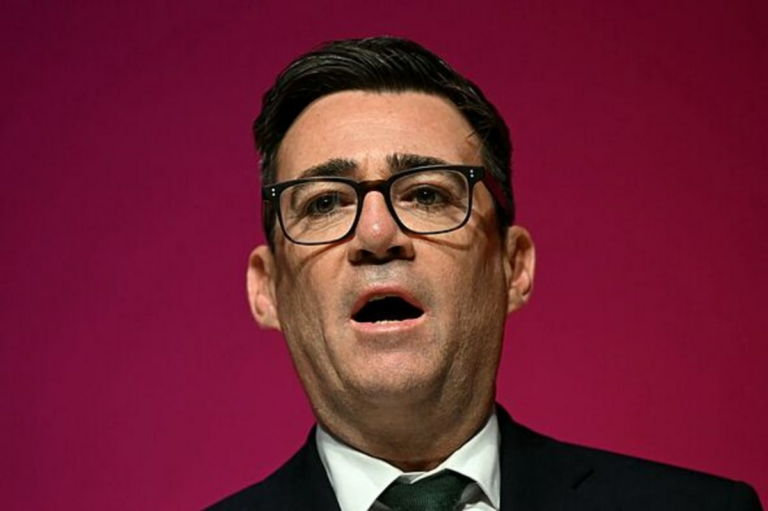
Vsevolod Chentsov, Ukraine's deputy prime minister for European integration, spoke out in an Oct. 19 interview against the idea of an open contest for prosecutor general.
The EU has demanded a reform of Ukraine's notoriously corrupt and politicized prosecution service and called for making the procedure for picking the prosecutor general less political and more merit-based. Meanwhile, anti-corruption activists and pro-reform lawmakers have accused the Ukrainian authorities of sabotaging rule of law reforms and resisting the demand for depoliticizing the Prosecutor General's Office.
"I see experts arguing that there should be an open competition for the position of prosecutor general," Chentsov told the Ukrainian media outlet Yevropeiska Pravda. "But that is not something the EU requires, nor is it standard practice in Europe."
He argued that recommendations by Council of Europe experts "clearly emphasize the need to comply with Ukraine’s Constitution, which sets out the roles of the president and parliament in the appointment process."
"How to ensure transparency and select candidates based on their professional qualifications remains open for discussion," Chentsov said. "But personally, I see neither the need nor the possibility of holding an open competition for the position. A balance must be struck between political independence and professional competence."
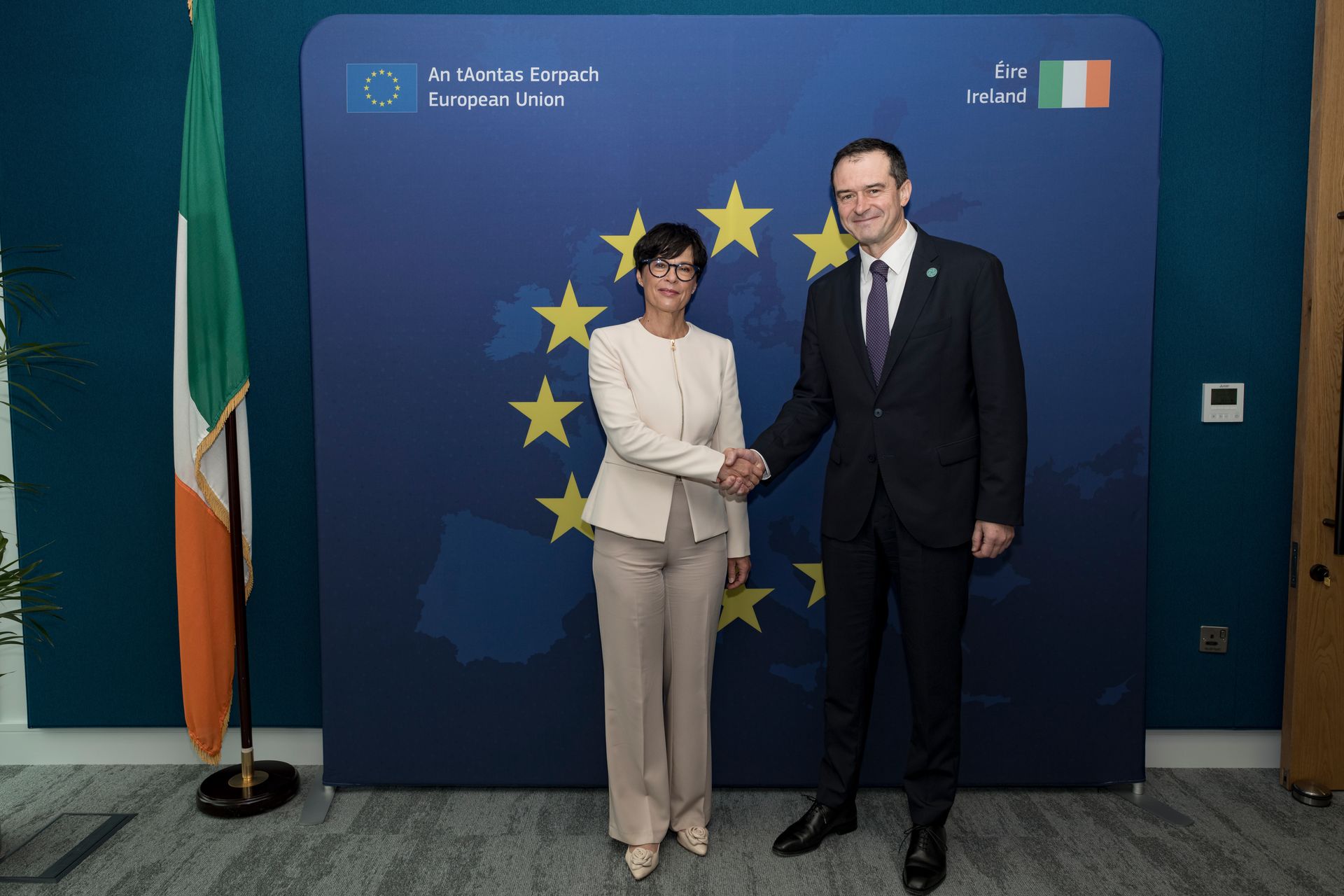
According to a plan approved in December by Taras Kachka, Ukraine's former deputy prosecutor general for European integration, and EU Enlargement Commissioner Marta Kos, Ukraine should "conduct a comprehensive review of the selection and dismissal procedure of the prosecutor general, with a view to aligning it with European best practice." The plan also envisages reinstating transparent contests for other top prosecutor jobs.
According to Ukraine's interim benchmarks for EU accession, Kyiv "needs to depoliticize the position of the prosecutor general, including by making the selection and dismissal procedures more objective, transparent and merit-based, taking into account European standards."
An EU official who spoke on condition of anonymity told the Kyiv Independent that the EU accession benchmarks "are not calling for it to be an elected position but the process should still change."
"For the EU, the gold standard is to have the involvement of independent, international vetters," the official said. "Separately, the EU and Ukraine launched a task force last week to implement Kachka-Kos and the EU's Rule of Law benchmarks. It serves to identify deficiencies in the current set-up, which would also include the prosecutor general's selection process."
In June, Anastasia Radina, head of parliament's anti-corruption committee from President Volodymyr Zelensky's party, submitted to parliament a bill seeking to select the prosecutor general in a transparent contest with the participation of international experts.
Radina's opponents argue that the Kachka-Kos plan does not envisage a contest involving international experts and that a contest for the prosecutor general's job contradicts Ukraine's Constitution.
Radina has denied the claim that it contradicts the Constitution.
"There may be different interpretations of the benchmark, but I'm not aware of anyone having proposed an alternative approach so far," she told the Kyiv Independent.
Ukraine's prosecutor generals are appointed by the president with parliament's approval and have been seen as closely aligned to whoever is in power. Radina's bill seeks to depoliticize the prosecutor general's appointment.
The debate on selecting the prosecutor general intensified under the previous occupant of the job, Ruslan Kravchenko.
Kravchenko faced scrutiny due to his role in the crackdown on the National Anti-Corruption Bureau (NABU) in 2025.
He was fired by parliament on Sept. 15 amid a major corruption investigation.
Within the investigation, a top prosecutor described as a “confidant” of Kravchenko was charged. Publicly revealed evidence hints at Kravchenko being implicated.
He left Ukraine on Sept. 14, under the pretext of an official trip to a conference in Paris. But the organizers told the Kyiv Independent that they had not expected him to attend, strengthening the suspicions that the trip was a fig leaf for fleeing Ukraine to avoid potential charges.
As Kravchenko left Ukraine, he simultaneously approved charges against the head of the anti-corruption agency investigating him. The charges were later dropped as unfounded.
Reporter
Brussels Correspondent
This story exists because readers chose to back it. Behind it is a newsroom that will not look away — and a community of people who make that possible. It's thanks to 35,000 members that our reporting stays free for everyone to read, and we can continue our reporting. Will you be one of them?
About the Author