Taiwan Mobile’s (3045.TW) public tender offer for common shares of Systex Corporation (6214.TW) through its subsidiary TaiShin Telecom has entered its final countdown. General Manager Jamie Lin said on Thursday (the 27th) that after Taiwan’s Fair Trade Commission resolved not to prohibit the merger, the biggest uncertainty hanging over the deal has been removed. He expressed “full and high confidence” in reaching the minimum tender threshold and stated unequivocally that the tender offer deadline will not be extended again.
The acquisition was announced by Taiwan Mobile on August 12 this year, under which wholly owned subsidiary TaiShin Telecom launched a tender offer for Systex at a premium of nearly 30%, with terms of 0.84 Taiwan Mobile common shares plus NT$92.5 in cash (about US$2.85) for each Systex common share. The Fair Trade Commission recently completed its review and resolved not to prohibit the merger, effectively clearing a key condition for the deal. The offer still requires validly tendered shares to reach 106,174,796 shares, or about 39% of Systex’s issued shares, with a maximum planned acquisition of 157,900,979 shares, or about 58%. Systex shareholders can tender their shares until 3:30 p.m. on November 5, with all other conditions unchanged.
Lin noted that after the Fair Trade Commission’s clearance, the market recognized that the uncertainty had been lifted, and Systex’s share price subsequently moved higher — a normal reaction during a public tender offer. Taiwan Mobile’s own share price has climbed in tandem since the announcement, rising from a closing price of NT$109.5 on August 12 and hitting an intraday record high of NT$135 on Thursday, a gain of more than 23%, which has indirectly increased the incentive for Systex shareholders to tender their shares.
Three Major Telecom Stocks Hit Highs Together; Lin: AI Needs Networks
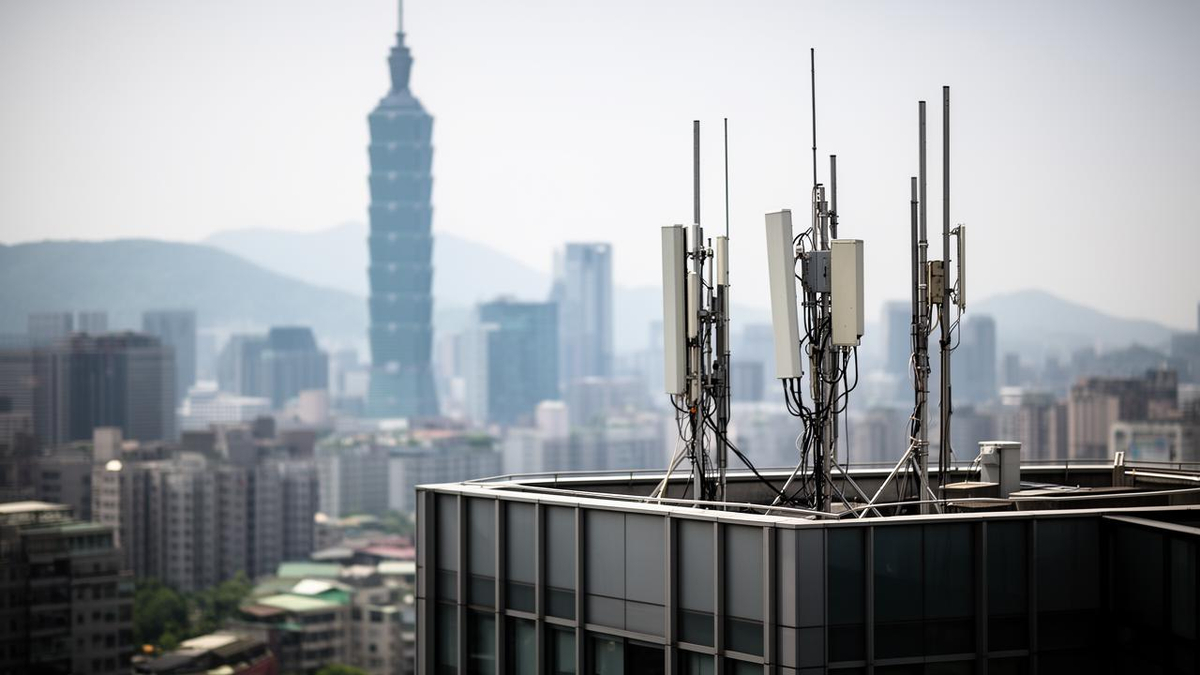
Not only Taiwan Mobile, but Chunghwa Telecom (2412.TW) and Far EasTone Telecommunications (4904.TW) have also repeatedly set new highs in recent days. Lin analyzed that two forces are driving telecom stocks back into market favor: first, the market is gradually recognizing that AI development requires massive computing power, and computing power must rely on network transmission, making telecom operators beneficiaries of the AI wave; second, manufacturing stocks have recently undergone a correction, prompting capital to revisit the telecom sector, discovering that such stocks offer both defense and offense — not only relatively resilient but also posting gains of generally 20% to 30% over the past year.
He further noted that Taiwan Mobile has repeatedly topped the three major carriers in monthly earnings per share this year, with the highest year-on-year growth among the three. According to published financial reports, Taiwan Mobile’s earnings per share for the first three quarters was NT$4.26, slightly above Chunghwa Telecom’s NT$4.25, making it the earnings-per-share leader among the three carriers. As for when its share price will truly overtake Chunghwa Telecom’s, he said it is “only a matter of time,” though he did not give a specific timetable.
On the operational front, Taiwan Mobile continues to deepen its use of AI tools such as MyAgent “Taiwan Mobile Lobster” to boost operating leverage, which has driven a 16% year-on-year increase in telecom operating profit and a 15% year-on-year increase in consolidated operating profit in September. Lin explained that normally headcount must expand with business growth, but after adopting AI, the company’s business is growing rapidly while headcount has remained nearly flat — meaning per-employee productivity has risen substantially. He also mentioned that the current tracking of employees’ token usage is quite healthy, all used in productive areas, with no signs of abuse.
iPhone Duo Shortage; Share of High-Tier Plan Subscriptions Rises
Apple’s (AAPL) first foldable phone, the iPhone Duo, went on sale last week. Lin said sales exceeded expectations, but supply from the manufacturer is “extremely short,” with orders running several times the volume of units delivered. Apple’s official website even shows wait times of more than ten weeks for shipment, and it remains to be seen when supply will meet demand. Taiwan Mobile’s internal observations show that sales data from launch through the 26th indicates that the proportion of subscribers choosing plans of NT$1,599 per month or above has risen by nearly 10 percentage points compared with the iPhone 18 Pro, reflecting that high-end foldable flagship models are indeed driving Apple fans to upgrade to higher-tier plans.
Separately, Taiwan Mobile’s “Da Ge Pays in Installments” buy-now-pay-later service continues to expand its application scenarios. On Thursday it announced partnerships with five major partners — Cola Tour, Pet Park, NewebPay, Petscare Waisheng Technology, and Taiwan Dental EasyConnect — extending the service from e-commerce shopping to lifestyle services including travel, beauty, and pet care. Taiwan Mobile statistics show that as of the end of September this year, cumulative users of the service had grown 49.9% year on year.
Impact Analysis
Market observers believe that the Fair Trade Commission’s clearance removes the biggest regulatory variable from the acquisition, and the outcome now depends entirely on Systex shareholders’ willingness to tender. Because Taiwan Mobile’s share price has risen during the offer period, the actual value of the share-exchange-plus-cash consideration has also increased accordingly, creating a certain appeal for Systex shareholders who have not yet tendered. However, the structure of a 39% threshold and 58% cap also means the final stake acquired will still depend on actual tender conditions.
For the telecom industry, AI infrastructure demand is seen as a structural theme for re-rating telecom stocks, and with defensive capital returning during the manufacturing correction, the three major telecom stocks should remain supported in the near term. If Taiwan Mobile can successfully complete the Systex acquisition, it will help its positioning in information services and system integration, complementing its existing telecom core business. The subsequent merger synergies and progress on organizational integration will be key points for investors to watch.
The news and data on this website are for reference only and do not constitute investment advice or an offer to buy or sell. Information is sourced from exchanges and public sources, and may be delayed, interrupted, or updated. While we strive for accuracy, we do not guarantee timeliness, correctness, or completeness. Content may include external links for which we are not responsible. By using this site, you agree that we and our partners are not liable for any losses. Investment carries full responsibility; please carefully assess risks and consult professionals. If there are errors in the content, please contact us for correction.
About the Author