Von der Leyen’s proposal to make Canada the EU’s first “associate member” raises the question of how far integration can go without membership
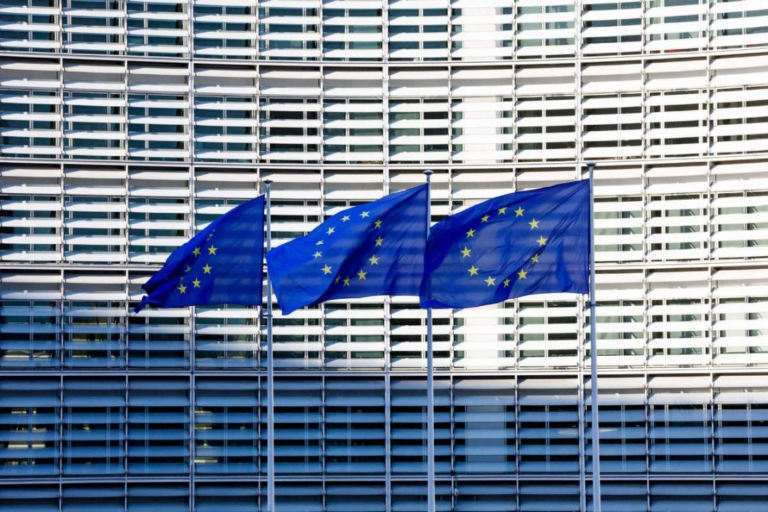
A proposal by European Commission President Ursula von der Leyen to establish a new form of partnership with Canada has sparked disagreements among EU governments ahead of a bilateral summit in Montreal on Thursday and Friday.
The four countries have objected to the use of “associate membership” in a draft joint declaration, arguing that its meaning and legal implications must be clarified before the EU endorses the concept.
The disagreement does not reflect opposition to closer cooperation with Canada. EU governments broadly support stronger ties in areas including defense, energy, trade, critical raw materials and border security. Their concerns center on the terminology and whether it could encourage other non-EU countries to seek similar arrangements.
Dispute delays approval of joint declaration
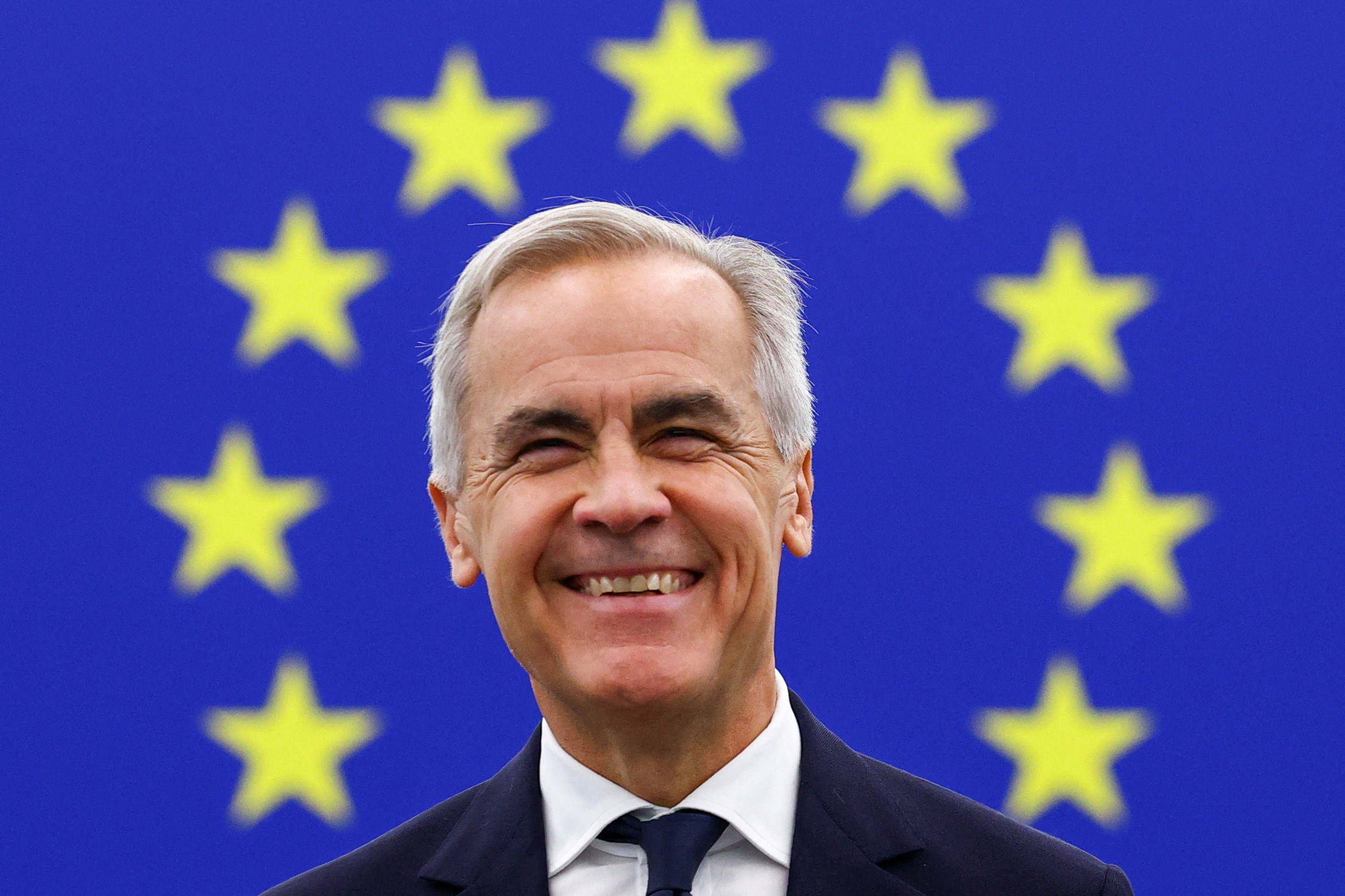
Von der Leyen introduced the proposal in September during her annual State of the Union address to the European Parliament, with Canadian Prime Minister Mark Carney attending as a guest of honor. Although the idea had previously been presented to Canada, it had not been discussed with member states or within the Commission, catching capitals including Berlin and Paris off guard.
NEWSLETTER TABLE TALK
A revised draft of the declaration proposed regular exchanges between EU and Canadian authorities on major policy and regulatory initiatives, with the partnership’s full scope to be determined at a summit in 2027.
A subsequent version specified that associate membership had been “put forward by the European Commission,” following a suggestion from Italy. However, Germany, France, Italy and Greece still objected to the text before the deadline for approval under the EU’s silent procedure, which allows a document to pass unless a member state objects.
Italy’s objection concerned a separate section on competitiveness and technological sovereignty during the transition to a lower-carbon economy, rather than the associate membership wording.
Further negotiations among EU ambassadors were expected Wednesday, with European Council President António Costa’s office due to circulate another draft.
Questions over the model’s future
Diplomats have warned that the term lacks a clear definition in EU treaties and could create expectations among other countries seeking closer relations with the bloc. Germany has argued that governments should first agree on the substance of the partnership before deciding how to label it.
Carney has also expressed reservations about the terminology, describing the proposed relationship as an “alliance of the future” and saying that its substance mattered most.
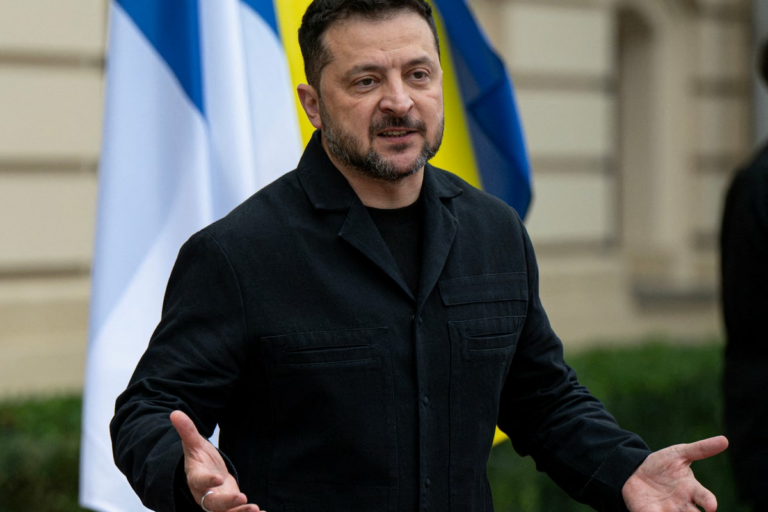
Associate membership has previously been proposed as a way to bring Ukraine closer to the EU while it pursues accession, with German Chancellor Friedrich Merz linking the idea to security guarantees. Applying it to Canada would instead create a framework for close cooperation with a non-European country that is not expected to join the bloc.
The dispute has renewed criticism of von der Leyen’s approach to announcing major initiatives before their practical implications have been fully settled. A similar debate followed her 2023 announcement of a migration agreement with Tunisia, which drew criticism over whether she had a formal mandate.
Supporters of the Canada proposal argue that a broader political framework could make cooperation more coherent than a series of separate agreements. An EU official told Euronews that the eventual arrangement could also serve as a model for other countries seeking closer ties with the bloc.
Greece’s annual commemoration of its 1940 resistance to Italy has evolved through political conflict, competing historical narratives and changing ideas of national identity. Historians Harris Athanasiades and Polymeris Voglis explain how the anniversary took shape—and which parts of the past were left out.
A new center expected to open in about a year will give Europe its only maintenance site for Lockheed Martin’s Patriot interceptor missiles outside the United States. The project is intended to speed up repairs and strengthen supply chains as conflicts put pressure on air defense inventories.
More than 5 million people were facing severe hunger in Sudan in June, according to a UN-backed monitor. The US and dozens of other countries are now pressing the warring sides to open humanitarian routes and calling for increased international funding.
With Russia expected to rebuild much of its military strength and uncertainty surrounding future U.S. commitments, NATO faces a deadline to address capability gaps and strengthen Europe’s ability to defend itself
A deadly collision involving Renfe and Iryo trains halted high-speed services between Madrid and Seville on Wednesday. The crash comes months after another fatal accident on the same route raised questions about railway maintenance.
© 2025 TOVIMA.COM • All rights reserved.
Member of
Certification Number
Μ.Η.Τ.252163
About the Author