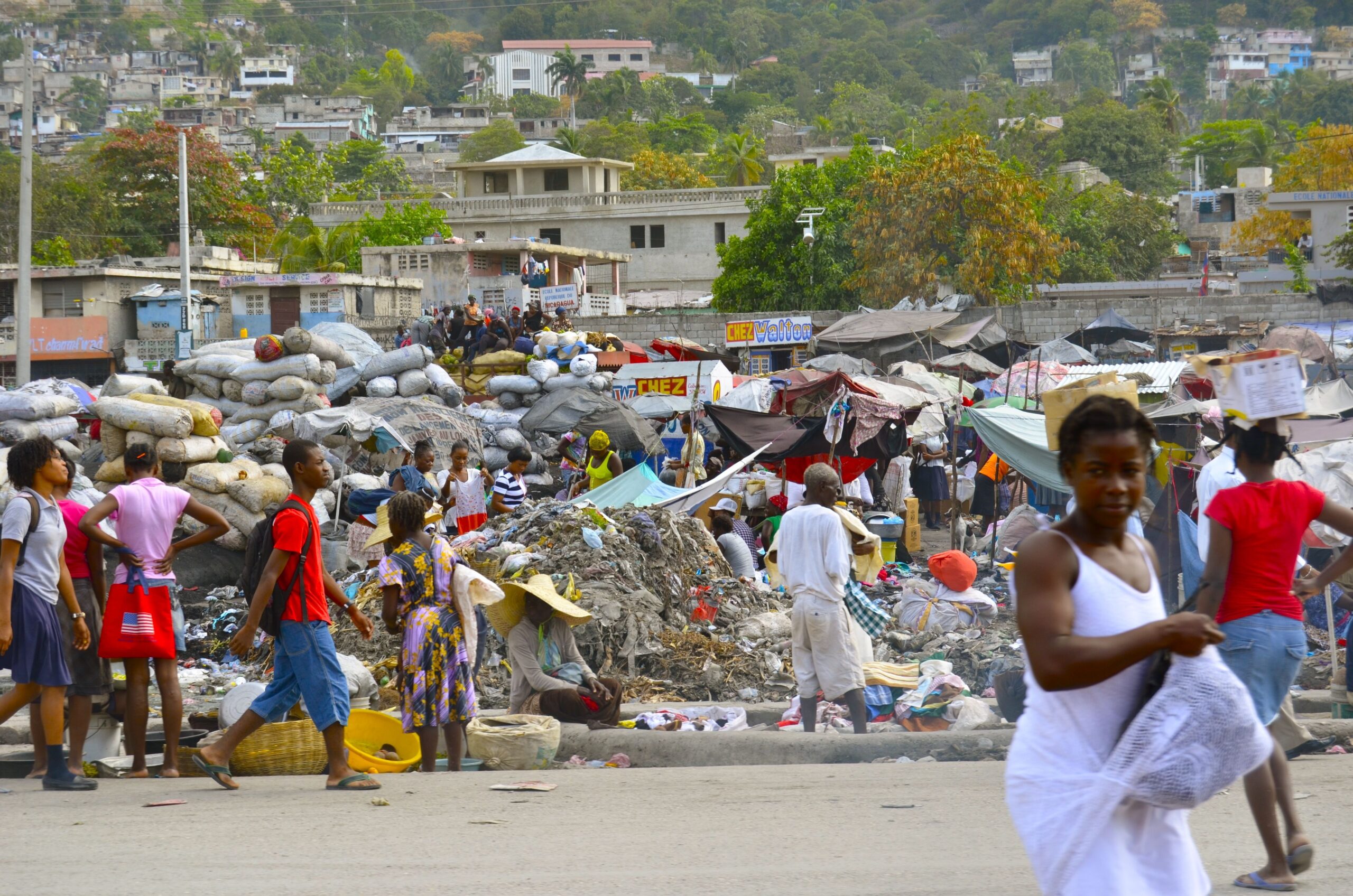
As armed gangs continue to act as de facto authorities in Haiti, recent reports reveal that approximately 12 percent of the population, roughly 1.5 million Haitians, are now displaced, according to data collected by the International Organization for Migration (IOM).
Additionally, 80 percent of people being displaced are located outside of Port-au-Prince, Haiti’s capital and largest city, with the most significant increase recorded in Haiti’s Artibonite department, a rural northern region, where displacement rose by 16 percent between May and August 2026, according to the IOM. The Artibonite, which was once considered a refuge for those fleeing violence elsewhere, is now experiencing high levels of instability and insecurity, causing further displacement and reducing safer opportunities for migration for Haitians. According to the United Nations Office for the Coordination of Humanitarian Affairs (UNOCHA), last week alone, some 1,500 people were displaced in the Artibonite.
Currently, government efforts to regain control of Haiti have been overwhelmed by escalating violence, corruption, and institutional collapse, pushing the country into its most severe crisis in decades, according to Human Rights Watch. With democratic processes stalled and as the poorest country in the Western Hemisphere, Haiti is facing a rapidly worsening conflict, according to UNOCHA.
As the conflict continues to worsen, Haiti now sees itself vulnerable as Atlantic hurricane season continues, leaving hundreds of thousands of displaced people living in host communities, informal settlements and temporary shelters, particularly vulnerable to extreme weather events, according to the IOM.
“What we are witnessing in Haiti is not a crisis that moves from emergency to recovery. Violence, displacement, food insecurity, forced returns and climate risks are all unfolding at the same time, placing enormous pressure on families and communities,” said Elise Verron, Senior Emergency Coordinator with IOM Haiti.
The UN and its humanitarian partners continue to support displaced people with shelter, essential household items and other critical assistance, with an $880 million Humanitarian Response Plan for Haiti 47 per cent funded, with $416 million received, according to UNOCHA. While making significant progress in funding, the UN and its humanitarian partners need more allocation to allow for success in their response.
Along with the United Nations Humanitarian Response Plan for Haiti, the expansion of the UN-backed Gang Suppression Force (GSF), from 1,000 to more than 5,000 personnel, provides another avenue for stability and security in Haiti, according to Human Rights Watch. Efforts could include securing infrastructure, including airports, ports, and major roads, and helping restore humanitarian access.
The transitional government has also reached broad political agreement to hold long-delayed national elections by the end of 2026, creating another avenue toward restoring democratic institutions and political legitimacy, according to the Centre for Preventative Action. At the same time, heightened international attention from the United States, Panama, the United Nations, and other member states has created an opportunity to coordinate security, governance, and humanitarian assistance.
As Haiti’s crisis continues to worsen, the international response is proving insufficient. Real progress requires sustained international action to help Haiti regain stability and address one of the world’s most severe humanitarian crises. While the current numbers of displacement are staggering, continued international assistance, along with long-term efforts to strengthen Haiti’s institutions and security, is essential to guaranteeing these figures begin to decline. Without sustained International commitment, the humanitarian situation will continue to deteriorate, leaving millions of Haitians without the security and stability they desperately need.
The Office of the United Nations High Commissioner for Refugees (UNHCR) issued a warning this week, cautioning that severe funding cuts threaten to sever essential
According to the UN Office for the Coordination of Humanitarian Affairs (OCHA), about 945,000 individuals have been displaced within Cabo Delgado Province in northern Mozambique
With a long history of conflict and ethnic tension, Myanmar is currently experiencing a severe civil war and humanitarian crisis. After staging a coup in
About the Author