The prospects for international regulation remain uncertain, as artificial intelligence reshapes society
A
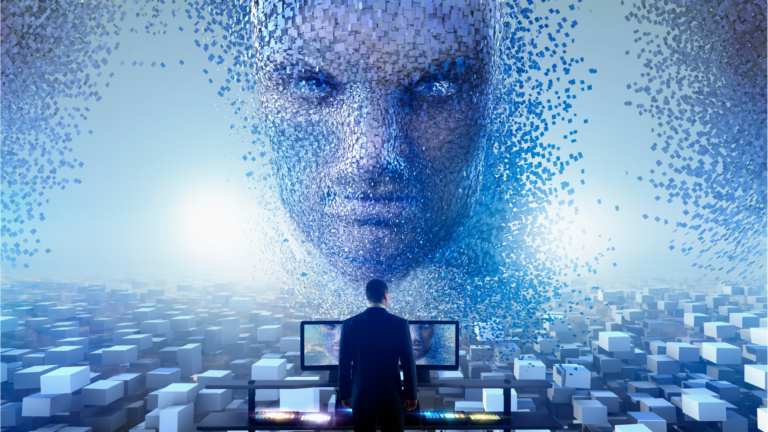
s artificial intelligence spreads its tentacles, the debate about its impact on human societies is gathering unprecedented urgency.
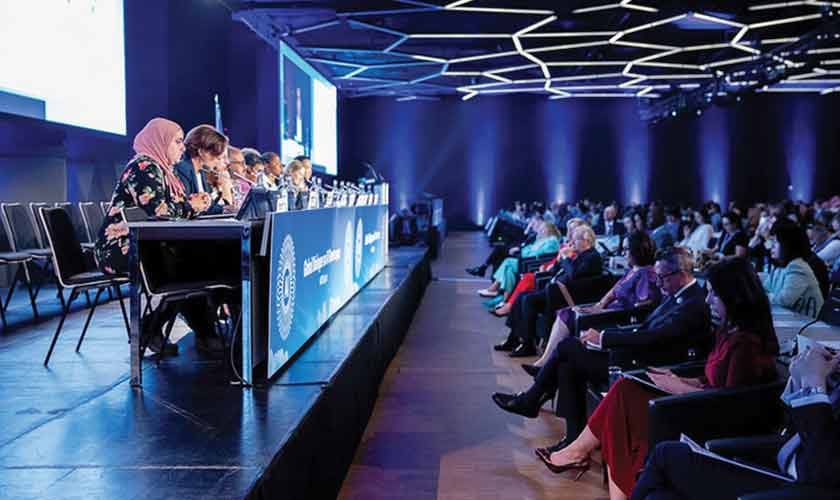
The US president famously convened a meeting of leading figures in the industry but it ended without a definitive resolution. The president favoured self-regulation but industry giants wanted AI to be governed by a universal regulatory framework.
The widespread use of artificial intelligence and its virtual takeover of many aspects of life may prove to be among humanity’s greatest technological achievements. In time, it could change the human landscape as profoundly as the great inventions of the past. Those inventions, too, were seen as threats to established ways of thinking and to the values that the human mind had helped shape. Some of these values were considered eternal and unchanging. In societies such as ours, which experienced the fallout of such inventions rather than leading their development, resistance was often fierce. Some of these changes were interpreted as signs of a ‘satanic triumph,’ with people finding omens and warnings in scripture. Over time, however, resistance gave way to acceptance, followed by an enthusiastic embrace of the new, as though it had always existed and its use were a calling of the faithful.
The dangers still lurk in nuclear technology and the decoding of genes. Universal agreements have not fully dispelled the threats and fears.
Various countries and societies interpret these international agreements differently. Nuclear proliferation agreements are seen by countries not possessing the technology as a means of preventing them from acquiring it, thereby preserving the dominance of those that already possess it. Similarly, advanced countries and those seeking to develop at an unrelenting pace view and interpret climate change protocols very differently.
Various forums and agreements reached during the 20th Century, once seen as beneficial to humanity as a whole, are now being rudely disregarded and binned.
The prospects for an international agreement on artificial intelligence gaining acceptance and being put into practice therefore appear dim. Even if an agreement is reached, some countries will interpret it differently than others. Some will seek to undermine it.
The US president’s preference for self-regulation seems realistic. He has been among those willing to bulldoze the world order painstakingly built over decades and once seen as progress towards a stable international system.
For now, the threat should not be overstated. A measured approach may allow better sense to prevail and help humanise the quantum leap.
As in other fields, the impact of artificial intelligence on the arts is staggering. It has already caused more changes than were once taken for granted. Like the inventions that came before it, AI, too, may eventually settle into normality, until the next development rattles the board.
The writer is a culture critic based in Lahore.
About the Author