Choose edition
Search
singapore
asia
world
opinion
life
business
sport
Visual
Podcasts
STClassifieds
Paid press releases
Advertise with us
FAQs
Contact us
With AI becoming embedded in financial institutions, there is a risk that a faulty model could trigger a chain reaction across banks and borders.
Sign up now: Get ST's newsletters delivered to your inbox
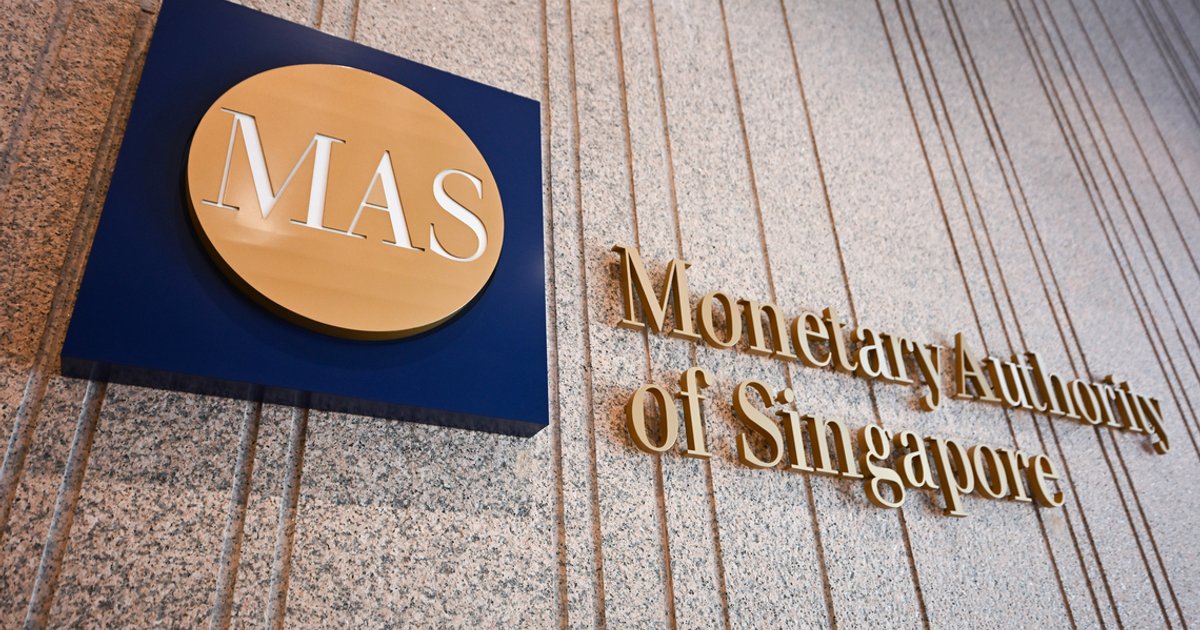
Central banks and financial regulators increasingly acknowledge that innovation must be accompanied by transparency and accountability, says the writer.
ST PHOTO: LIM YAOHUI
Hari Suciono
Published Oct 23, 2026, 10:00 AM
Updated Oct 23, 2026, 10:00 AM
Financial crises have long spread through familiar channels: excessive leverage, fragile balance sheets, liquidity shortages and sudden shifts in market sentiment. The 1997 Asian financial crisis and the 2008 global financial crisis demonstrated how instability in one segment of the financial system can rapidly spread across institutions, markets and borders. Today, however, a new source of contagion is emerging. As artificial intelligence becomes deeply embedded in modern finance, future instability may spread not through banks alone, but through algorithms.
AI is no longer a futuristic concept in finance. Banks, asset managers, payment providers and fintech companies increasingly rely on it for credit assessment, fraud detection, customer service, investment decisions and risk management. According to the International Monetary Fund, AI could affect nearly 40% of jobs worldwide, with the financial sector among the industries expected to experience the most significant transformation. As AI adoption accelerates, financial systems are becoming faster, more efficient and more interconnected. Yet, efficiency can come with new vulnerabilities.
AI/artificial intelligence
Financial crisis
Central banks
Banks and financial institutions
E-paper
Newsletters
Podcasts
RSS Feed
About Us
Terms & Conditions
Personal Data Protection Notice
Need help? Reach us here.
Advertise with us
News titles published by SPH Media
About the Author