Russia’s aggression against Ukraine has exposed serious limitations in the international security system. Organisations that were established decades ago to prevent conflicts were unable to stop the largest war in Europe since the end of the Second World War. NATO, the European Union, the United Nations and the OSCE responded to the Russian invasion, but each institution has different capabilities and instruments at its disposal.
The greatest problem remains the fact that the Russian Federation continues to participate in organisations responsible for maintaining international peace, while simultaneously using their mechanisms to block decisions directed against its own aggression.
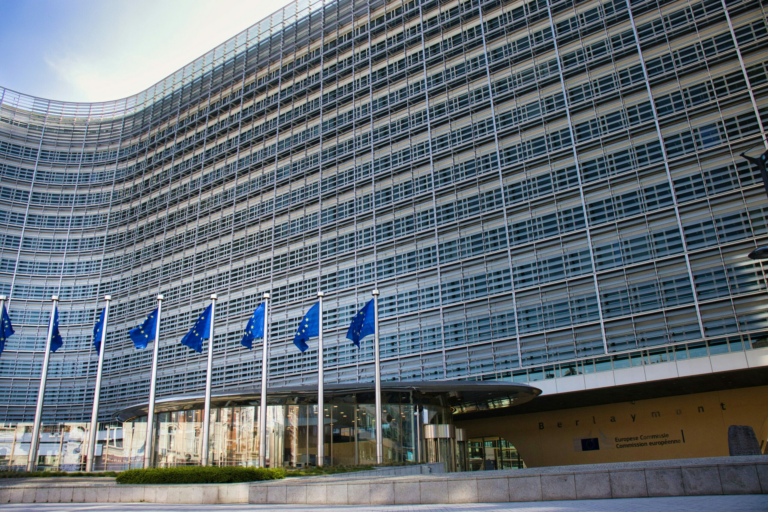
Following 24 February 2022, the European Union began imposing sanctions on Russia, restricting economic cooperation and reducing its dependence on Russian energy resources. At the same time, EU member states became involved in providing military, financial and humanitarian assistance to Ukraine. The reception of millions of refugees and support for Ukrainian agricultural exports were particularly important. The EU demonstrated that it possesses instruments capable of exerting economic pressure on Russia, but it is not an organisation designed to conduct military operations. Its effectiveness therefore depends primarily on the political determination of its member states and their ability to maintain sanctions over an extended period.
NATO’s position is different, as the Alliance is primarily responsible for the security of its members. Russia’s invasion effectively destroyed the previous model of cooperation with Moscow, developed partly on the basis of the 1997 NATO–Russia Founding Act. The Alliance decided to strengthen its eastern flank, increase military readiness and develop its deterrence capabilities.
However, Ukraine is not a NATO member and is therefore not covered by the guarantees provided under Article 5 of the Washington Treaty. Military assistance supplied by Allied countries has been extremely important for Ukraine’s defence, but it has not meant NATO’s direct involvement in the war against Russia.
The greatest controversy concerns the United Nations. Russia remains a permanent member of the UN Security Council and possesses the right of veto, allowing it to block the body’s most important decisions. In practice, a country conducting a war of aggression participates in decisions concerning the international response to its own military activities. This is one of the most serious paradoxes of the collective security system established after the Second World War. Changing this mechanism would require a fundamental reform of the United Nations, for which securing the agreement of all the major powers would be extremely difficult.
However, this does not mean that the UN has remained completely inactive. The organisation launched one of its largest humanitarian operations, supporting refugees, internally displaced persons and civilians in Ukraine. Important achievements included the evacuation of civilians from the Azovstal steelworks in Mariupol and participation in negotiating the agreement that allowed Ukrainian grain exports through the Black Sea.
Access to occupied territories remained a major problem, with Russia restricting the activities of humanitarian organisations. This was particularly evident following the destruction of the Nova Kakhovka dam in June 2023, when Moscow rejected UN requests to provide access to the affected population.
Similar limitations affect the Organization for Security and Co-operation in Europe (OSCE). For years, the OSCE participated in monitoring the situation in Ukraine and diplomatic efforts concerning the conflict in Donbas. Following the Russian invasion, however, its capabilities were significantly restricted. Russia repeatedly used the consensus mechanism to block decisions, while previously established negotiation formats ceased to fulfil their basic objectives. The organisation itself does not possess military instruments that would allow it to force an aggressor to end hostilities.
Nevertheless, the OSCE’s expert and documentation activities remain important. The organisation prepared reports concerning violations of international humanitarian law, war crimes and human rights abuses in Ukraine. These documents may contribute to future efforts to hold perpetrators accountable. At the same time, the OSCE remains one of the few forums enabling direct communication between Western countries and Russia and Belarus. Excluding Moscow could therefore restrict channels of communication without resolving the fundamental problem: the absence of effective mechanisms for enforcing international obligations.
Russia’s aggression has exposed fundamental differences between the capabilities of international organisations. The European Union can impose sanctions and finance assistance to Ukraine, NATO is responsible for deterrence and the defence of its members, the United Nations conducts humanitarian operations, and the OSCE deals with monitoring violations of international law and diplomatic activities, among other responsibilities. Each institution plays an important role, but none was able to stop the Russian invasion independently.
The greatest challenge remains the effectiveness of the entire system, in which an aggressor can violate international obligations while simultaneously blocking the activities of institutions established to protect them.
The war in Ukraine has demonstrated that the future of European security will depend not only on reforming international organisations, but also on the actual ability of states to deter Russia and respond to further threats.
About the Author