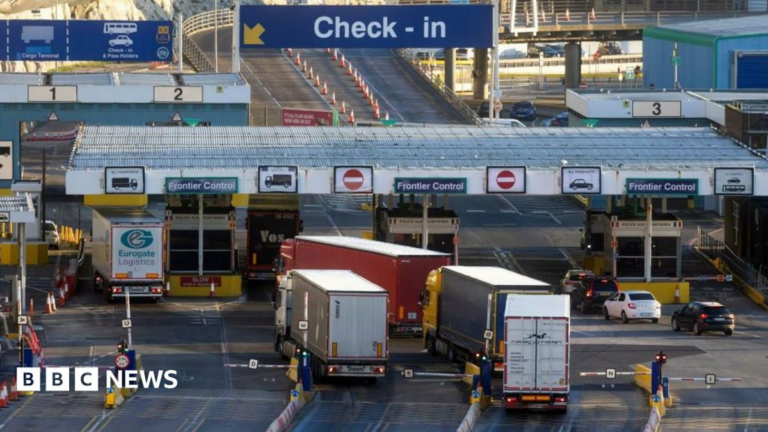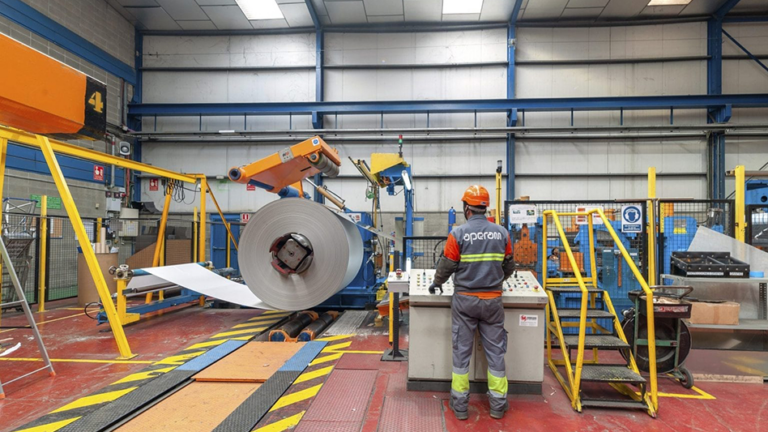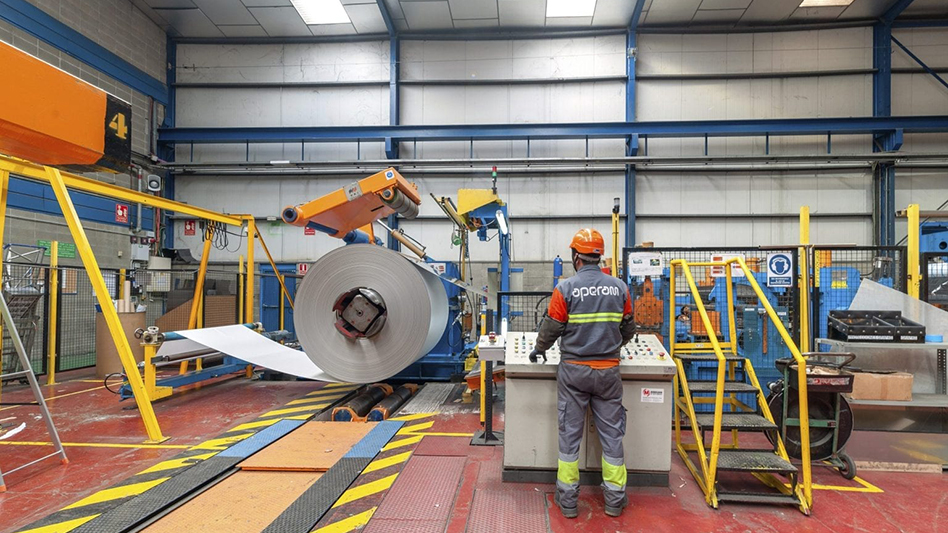
The metals producer, which also owns a network of recycling facilities, says it supports a European Commission proposal to “strengthen” scrap export restrictions.
By Brian Taylor, Senior Editor
Luxembourg-based Aperam, a producer of stainless steel that also owns the metals recycling company formerly known as ELG, has announced its backing of a European Commission (EC) proposal to increase restrictions faced by recyclable metals leaving the European Union.
“Securing strategic raw materials is essential for Europe’s circular economy and industrial competitiveness,” states the company, which has an operating presence in Europe, Asia, North America and South America.
Aperam says it welcomes the EC’s proposed Delegated Regulation under the Waste Shipment Regulation (WSR), a set of policies applied not only to waste but to highly recyclable materials with established (and sometimes substantial) values.
The company says the EC proposal will entail “strengthening controls on exports of recyclable materials to non-OECD countries,” adding, “For Europe’s entire industrial value chain, scrap is a strategic raw material, not a surplus commodity.”
Aperam cites as a factor that stainless steel production in Europe uses approximately 80 percent recycled materials as melt shop feedstock. “European depends on scrap to maintain its low-carbon footprint and competitiveness,” adds the firm.
“Aperam’s benchmark profitability in [our] European Stainless and Recycling businesses is thanks to our competitiveness, but also our focus on supplying our customers with the best value for their scrap and stainless needs,” says Sud Sivaji, CEO of Aperam.
“Every ton of stainless steel scrap exported weakens Europe’s circular economy and industrial competitiveness, affecting European industry in every way possible,” adds Sivaji.
The ELG assets purchased by Aperam are now known as Aperam Recycling. On the Aperam Recycling website, the business unit describes itself as one that “keeps high-value metals in motion through global trading, processing and recycling,” handling more than 1 million metric tons of material annually across more than 40 locations worldwide.”
However, Sivaji says exported scrap “is used to deindustrialize Europe, as we export low carbon inputs and import the finished products, circumventing the goals of industrial competitiveness and sustainable production. This runs directly counter to the objectives of both the European Industrial Accelerator Act and the European Green Deal. We fully support the Commission’s proposal and call for its adoption without delay.”
The company says it “remains committed to strengthening Europe’s recycling value chain and ensuring that circularity, decarbonization and industrial competitiveness advance together.”
About the Author