Get the latest local stories in your inbox.
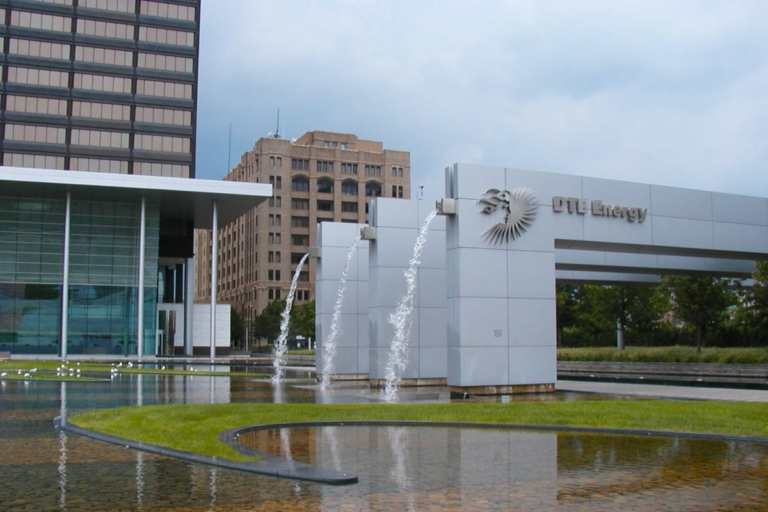
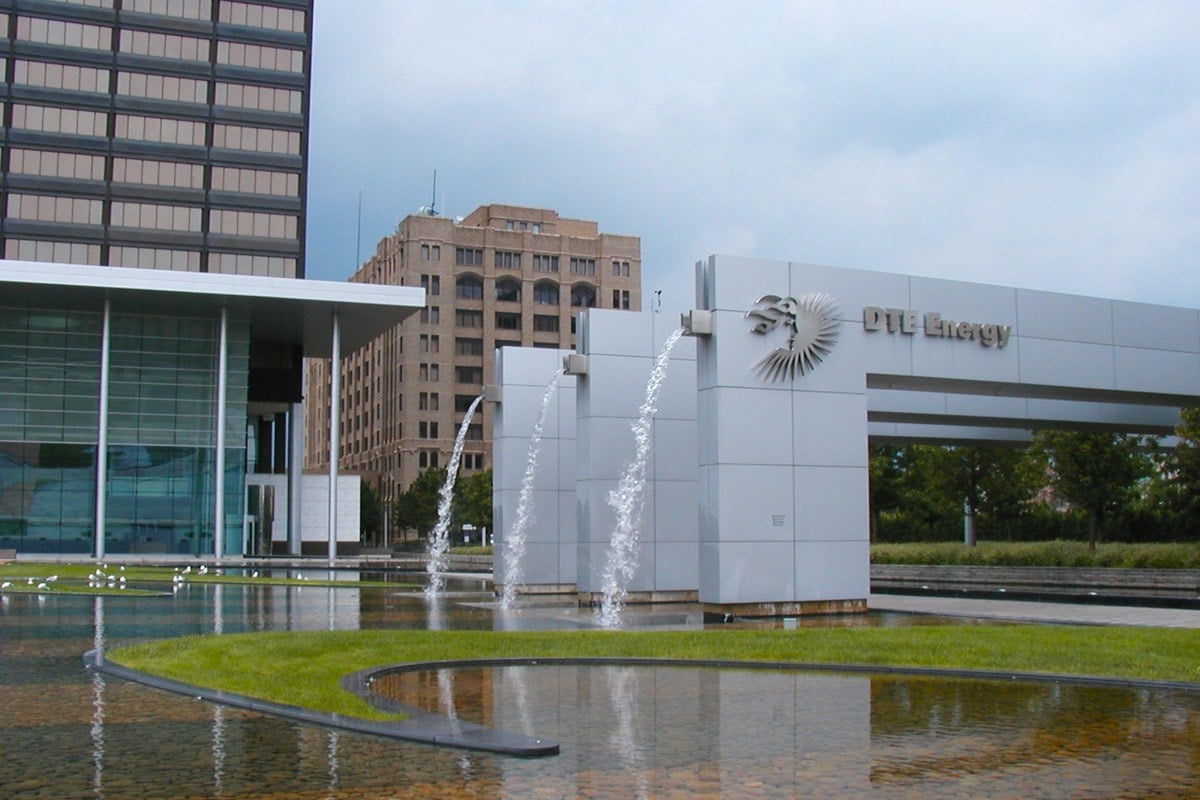
DTE Energy and Consumers Energy filed a federal lawsuit Thursday seeking to stop the state from enforcing Proposal 2, the ballot measure approved by Michigan voters just two days earlier that restricts political giving by utilities and other large state contractors. The companies argue the measure violates their constitutional rights, according to their complaint, and they’re asking a judge to block it before it ever takes effect.
The lawsuit, filed in the U.S. District Court for the Western District of Michigan, comes after Proposal 2 passed with roughly 81% support in Tuesday’s election, according to unofficial results. As reported by Bridge Michigan, the utilities’ complaint contends that Proposal 2 violates free speech and association rights guaranteed by the First Amendment and the Fourteenth Amendment’s due process clause. The suit seeks a court order barring enforcement by the state, and it names Michigan Bureau of Elections Director Jonathan Brater, Attorney General Dana Nessel and Secretary of State Jocelyn Benson, or their successors, as defendants.
Proposal 2 bars utilities and other organizations with more than $250,000 in annual state contracts from contributing to Michigan campaigns and candidates, though sources differ on the precise phrasing of that threshold — Bridge Michigan describes it as companies with more than $250,000 in state government contracts, while USA Today describes it as organizations with annual state contracts of at least $250,000. The measure also bars company executives and their direct relatives from making political contributions, and it was organized by Michiganders for Money Out Politics.
Among the plaintiffs named in the complaint are DTE, Consumers, two utility-linked PACs, and Case Lancaster and Ayesha Lancaster. Case Lancaster is DTE’s vice president and treasurer, and Ayesha Lancaster is his 86-year-old mother. The complaint argues the restriction would bar her from donating despite the fact that she has no role at a utility, according to Bridge Michigan‘s report.
The companies are represented by Miller Johnson, a law firm based in Grand Rapids. Their complaint also argues that the new law is too vague and violates equal protection by targeting utilities and people associated with them, the same report notes. Attorneys for the companies argued the utilities should be able to participate in political advocacy like other businesses and organizations, and the lawsuit states that policymakers and voters benefit from hearing the companies’ perspectives.
Proposal 2 backers argued the measure was needed because legislation to hold major utilities accountable for slow or unreliable service repeatedly failed to advance in the state Capitol, and they linked that failure to political donations from PACs and groups tied to DTE and Consumers. A 2024 audit found DTE lagged its peers in electric-service reliability, and DTE has reported improvements in reliability metrics.
Maura Cowley, campaign manager for Michiganders for Money Out Politics, said the group expected legal scrutiny and was confident Proposal 2 would withstand it. She also said the corporations financing opposition had been preparing for the lawsuit since the measure qualified for the ballot, and she said Michigan voters delivered a mandate to end pay-to-play politics and return power to the people.
The complaint alleges that Proposal 2 violates free-speech protections. U.S. Supreme Court rulings have generally treated corporate political spending as protected free speech under the First Amendment.
The DTE and Consumers suit is not the only legal challenge to Proposal 2. The Mackinac Center for Public Policy sued to block implementation of parts of the measure just hours after polls closed Tuesday night, filing in the U.S. District Court in west Michigan, according to FOX 2 Detroit. That lawsuit alleges the proposal violates the First Amendment by regulating speech and violating privacy, and it asks the federal court to pause enforcement while the case plays out.
Mackinac Center attorneys argued that Proposal 2 subjects nonpolitical committees publishing election-related content to campaign-finance laws in violation of free speech rights. As USA Today reported, the center’s lawsuit contends it would thus be required to either refrain from speech that could fit the proposal’s vague standards or face the burdensome reporting requirements that apply to political committees. The Mackinac Center lawsuit separately asked a federal judge to block the measure’s donor-disclosure provisions.
Beyond the contribution limits, Proposal 2 enacts new online campaign-ad donor disclosure requirements through the state’s Campaign Finance Act. Existing Michigan law requires television and radio issue ads that explicitly tell voters whom or what to vote for to disclose who paid for them; Proposal 2 will require all issue advocacy ads to disclose their donors regardless of whether they urge a specific vote.
Benson is governor-elect, according to the Detroit Free Press.
Politics & Govt in …
About 13 hours ago
Livonia Yard House Sets Dec. 7 Opening at Former Bahama Breeze Spot
About 13 hours ago
Dearborn Heights Driver Dies After Losing Control Near Monroe and Beech
About 14 hours ago
Pontiac Teen, 16, Reported Missing — Deputies Say He May Be Near Detroit's Kentucky Street
About 15 hours ago
Sterling Heights Man, 24, Charged in Warren Shooting That Wounded Passenger
Hoodline – In-depth reporting about your home area.
Follow Us
Connect
But wait, there’s more…
Cities
Please enable JavaScript to select your regional newsletters and subscribe.
Choose one or more regions. Get the latest local stories when there is news to share.
Select the local newsletters you’d like to receive, then subscribe.
0 regions selected
No matching regions. Try another search.
Free. Unsubscribe anytime. Daily when new stories are available.
Open the standalone signup form
Subscribe to Hoodline newsletters
About the Author