The Irish Council presidency’s cuts hit competitiveness and development aid, while sparing agriculture and regional funds.
BRUSSELS — The bloc’s next seven-year budget suffered a €159 billion cut from the Commission’s original proposal, according to a new plan unveiled Saturday.
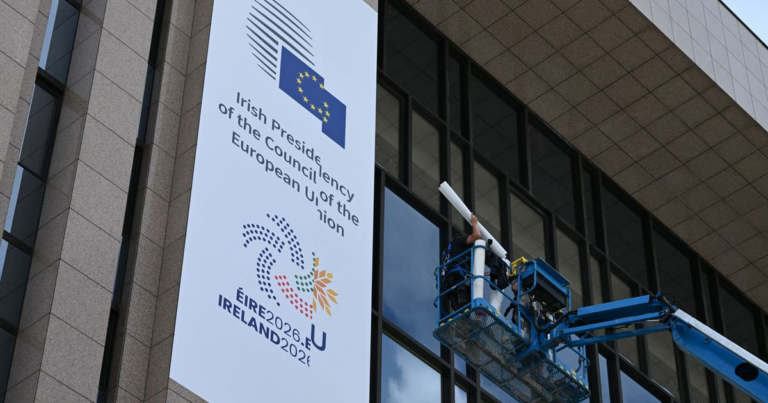
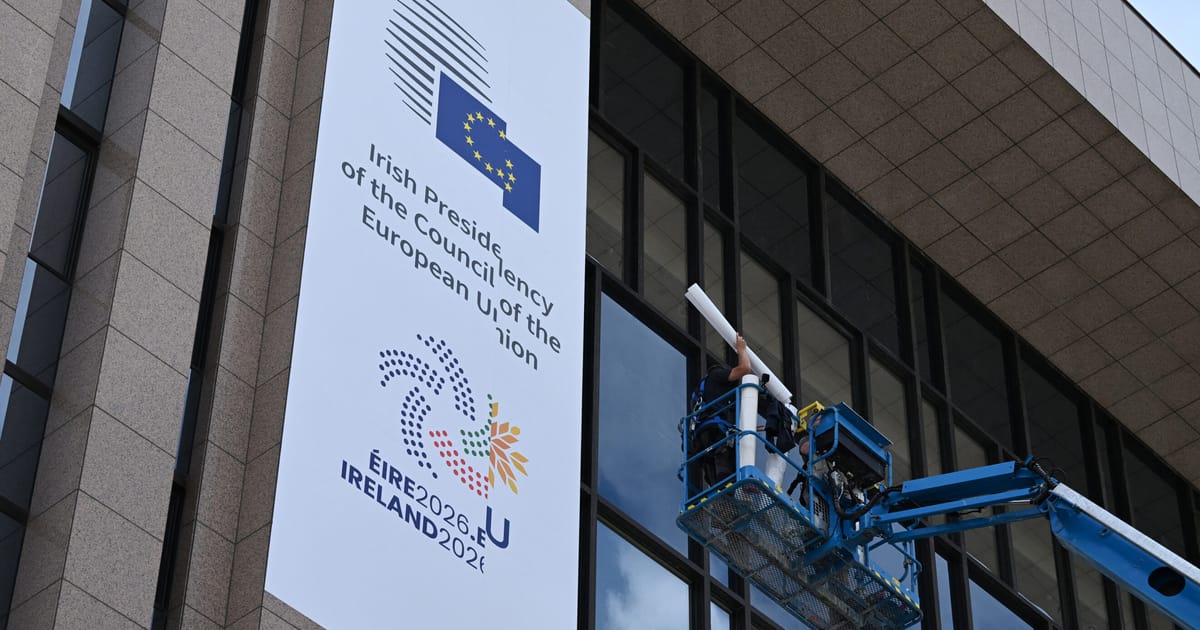
The Irish presidency of the Council of the EU, which is steering the talks, proposed a cutting around 8% to the bloc’s total budget from 2028 to 2034 to appease a German-led camp demanding major cuts.
The Irish negotiating document, or negobox, envisages cuts of €122 billion in current prices from the previous negobox presented by the Cyprus presidency in June. It sets the scene for fraught discussions among the EU’s 27 leaders during a summit next week.
The bloc is split between frugal countries demanding cuts of several hundred billions to the nearly €2 trillion proposal on the table and a rival camp of southern and eastern states, known as the Friends of Cohesion, opposing reductions.
In a concession to the Friends of Cohesion, Ireland shielded farmers’ subsidies and regional payouts, that account for half of the total budget and are politically sensitive, from any cuts.
Instead, the bulk of the reductions came from foreign aid which was cut by €38 billion; competitiveness which was axed by €75 billion and the EU’s administrative costs which were reduced by €10 billion.
Dublin also scrapped a rainy day fund, known as the “EU Facility cushion,” that allowed the European Commission to deploy cash to tackle unforeseen emergencies throughout the seven-year budget cycle.
However, Ireland’s proposal is unlikely to satisfy the frugals, who have warned against disproportionate cuts to new EU-wide priorities such as competitiveness, defense and development funding.
“The Irish proposal is a disappointment and not even close to a landing zone. The steep increase in MFF spending compared to today is unaffordable and financially not viable at all. By favouring policy priorities of the 20th century the proposal fails to prepare the EU for the 21st century,” an EU diplomat said.
They added: “This negobox is no basis for an agreement among member states. We urgently need more financial realism and less financial La La Land.”
Germany and its allies criticized the previous Cyprus Council presidency for cutting only €32 billion in the last negobox in June.
The EU’s 27 ambassadors will react to the negobox during a meeting on Sunday, where they will also prepare the leaders’ discussion on Thursday.
Governments are racing to agree on a budget deal among themselves by the end of the year, before elections in France, Poland and Italy threaten to disrupt the negotiations.
The Irish presidency made no major changes to a package of five new EU-wide taxes, or own resources, that were proposed by the Commission last year to generate a total of €66 billion for the budget.
This comes as a disappointment for countries such as France, which had been pressuring Dublin to add the European Parliament’s proposed levies on digital giants, online gambling and crypto firms to the negobox to increase the potential revenue.
Some of the Commission’s ideas — including a corporate tax, known as CORE, and a levy on polluting firms (ETS) — have been challenged by EU governments for more than a year of negotiations and are seen as unlikely to come to fruition.
Despite pressure to drop the most criticized options, Ireland has kept the five taxes on the table and merely suggested technical changes to overcome opposition.
It suggested phasing in ETS contributions for poorer countries that are overwhelmingly hit by the tax, and increasing EU budget contributions from a levy on carbon imports that is accepted by most governments.
Tensions on own resources will come to a head during Thursday’s leaders’ discussions. The president of the European Council, António Costa, said he intends to “fix” a package of potential taxes that are acceptable to governments during that meeting.
This article was updated.
Ireland’s proposal will fire the starting gun on the tough talks ahead of next week’s leaders’ summit.
Commission president dismissed Germany’s calls for big savings, arguing that they would undermine EU-wide priorities.
Italy and Romania lead push to preserve EU spending for agriculture and regional payouts.
The Irish presidency is expected to slash the European Commission’s near-€2 trillion proposal as capitals remain deeply divided over spending.
About the Author