Dozens of store refrigerators across five countries saw their temperature raised remotely, following similar attacks that hit France last month.
AI generated Text-to-speech
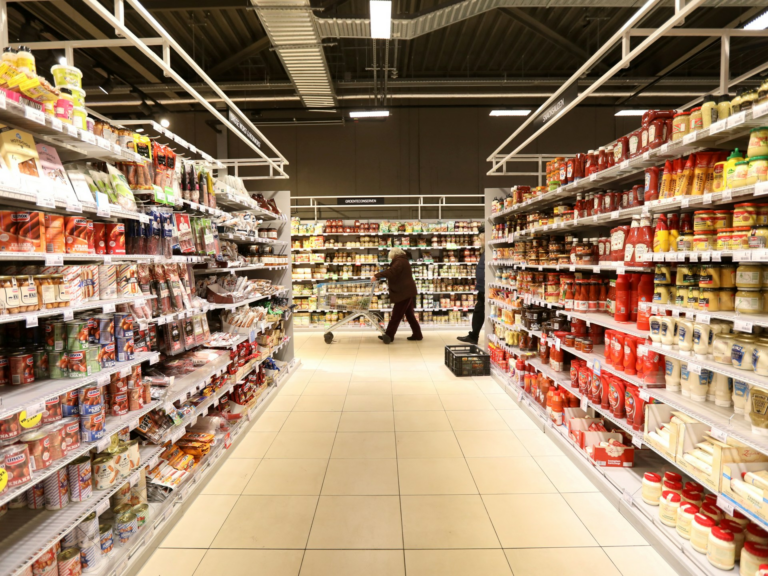
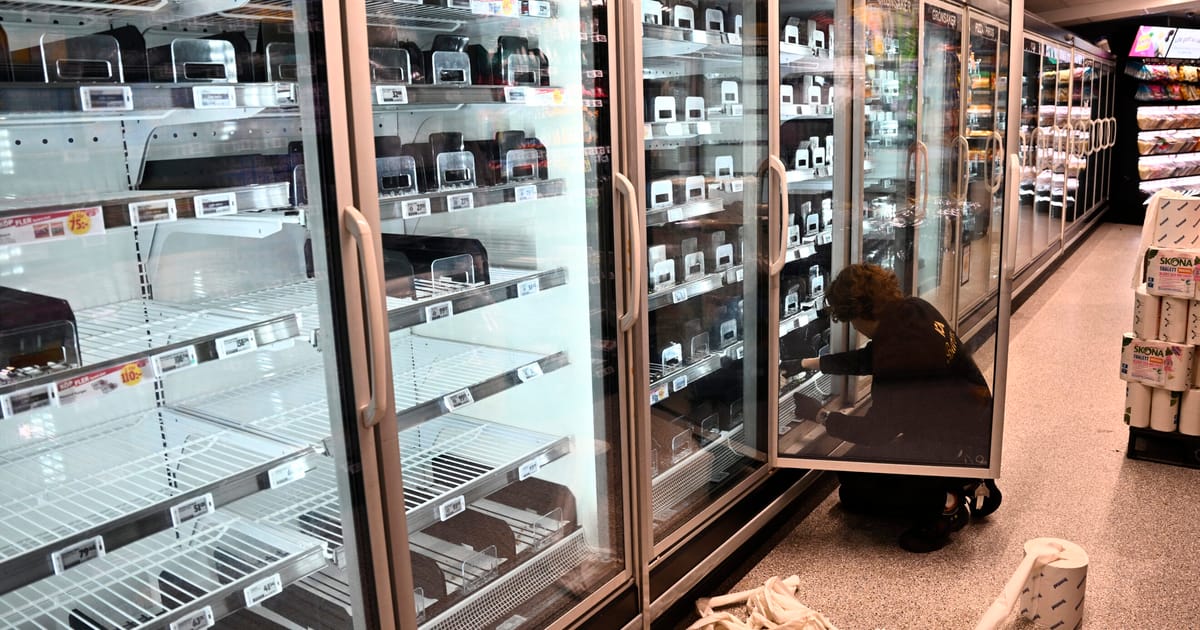
BRUSSELS — Refrigerators in dozens of supermarkets in at least five EU countries were out of service on Monday, local news outlets reported, in what appears to be a repeat of cyberattacks that hit French stores last month.
As of Monday afternoon, there were news reports of incidents affecting supermarkets in Belgium, Luxembourg, Sweden, Ireland, the Netherlands and Estonia.
Several store managers told local media that refrigerator temperatures suddenly spiked to up to 50 degrees Celsius. This mirrors the French incidents last month, in which attackers appeared to remotely manipulate the fridges’ defrosting mechanisms so that they overheated.
It’s not confirmed that the attacks are connected or used the same software vulnerabilities that hit French chains, though one supermarket spokesperson said the incident is a cyberattack “similar to the one in France.”
Ken Munro, a cybersecurity researcher, said in an interview that supermarkets should have disconnected their refrigerators and the devices used to monitor and remotely manage them from the Internet. “I don’t accept any other excuse … particularly in light of the earlier [attacks in France],” he said.
Inti De Ceukelaire, another cyber researcher, also said the incident suggests supermarkets did not take the necessary steps even after the France attacks. “It seems that some of them simply did not get patched, which is quite ridiculous,” he said.
Belgian media reported on Monday morning that temperatures in supermarket refrigerators had suddenly spiked, forcing them to throw food away. A spokesperson for the Centre for Cybersecurity Belgium said the agency is “closely” following the incident, adding that the attackers are unknown and that it “may never be possible to identify them.”
John Billow, director of Sweden’s National Cyber Security Centre, told POLITICO that there are “similarities” to the French incidents and that the agency is in touch with affected organizations. A European Commission spokesperson said it’s aware of the incidents and is using the EU-Cyclone network to coordinate and share information.
French supermarkets were hit with a wave of similar incidents in mid-October, when attackers targeted refrigerators by Danfoss, a Danish manufacturer of store fridges. Danfoss did not immediately respond to a request for comment. The attacks in France triggered a response from the country’s prime minister and its cybersecurity agency.
Belgian supermarket chain Delhaize alerted its store managers early on Monday morning of problems with refrigerators, and Belgian broadcaster RTBF cited a store manager as saying that the problems were due to a cyberattack like those in France.
A spokesperson for the company said it is aware of an “IT incident affecting the refrigeration systems in a number of Delhaize stores.” A spokesperson for Colruyt, which operates Spar stores in Belgium, said in a statement that fridges in “around five” Spar stores have been affected. “We are currently doing everything we can to resolve the issue,” they said, adding that no Colruyt stores have been affected.
A Carrefour spokesperson confirmed that 15 of its 700 stores have been affected, and that none of its larger “hypermarket” stores are among them. All stores remain open, they said.
Stores in Sweden have also been hit. A spokesperson for supermarket chain ICA confirmed an “incident overnight affecting a small number of ICA stores operating outside ICA’s central network” which affected its fridges and freezers.
A Coop spokesperson said seven of its 800 stores were affected but the situation, which is “contained and under control.” In one case, a refrigeration system began to generate heat, they said. Last month in France, the attacks caused at least one fire.
Like the public authorities, cyber researchers are looking for signs of who may be responsible. The fact that the attacks have happened again is evidence to suggest a hostile nation could be behind the attacks rather than young hacker pranksters, De Ceukelaire said. Munro, however, said he believes a “copycat” is behind Monday’s attacks.
“This won’t be the end of it,” Munro added. “There will be more.”
This article has been updated.
Vulnerabilities in a programming language underpinning much of the web set off a hectic 72-hour rush among virtually every cybersecurity agency in the world.
Governments and website owners are rushing to patch holes in popular internet programming language.
Experts know little about the motives of the hackers who remotely turned up the temperature on French supermarket refrigerators. Their methods, however, are far from science fiction.
European Commission IT department wants to use AI to defend its systems from the most serious cyberattacks.
About the Author