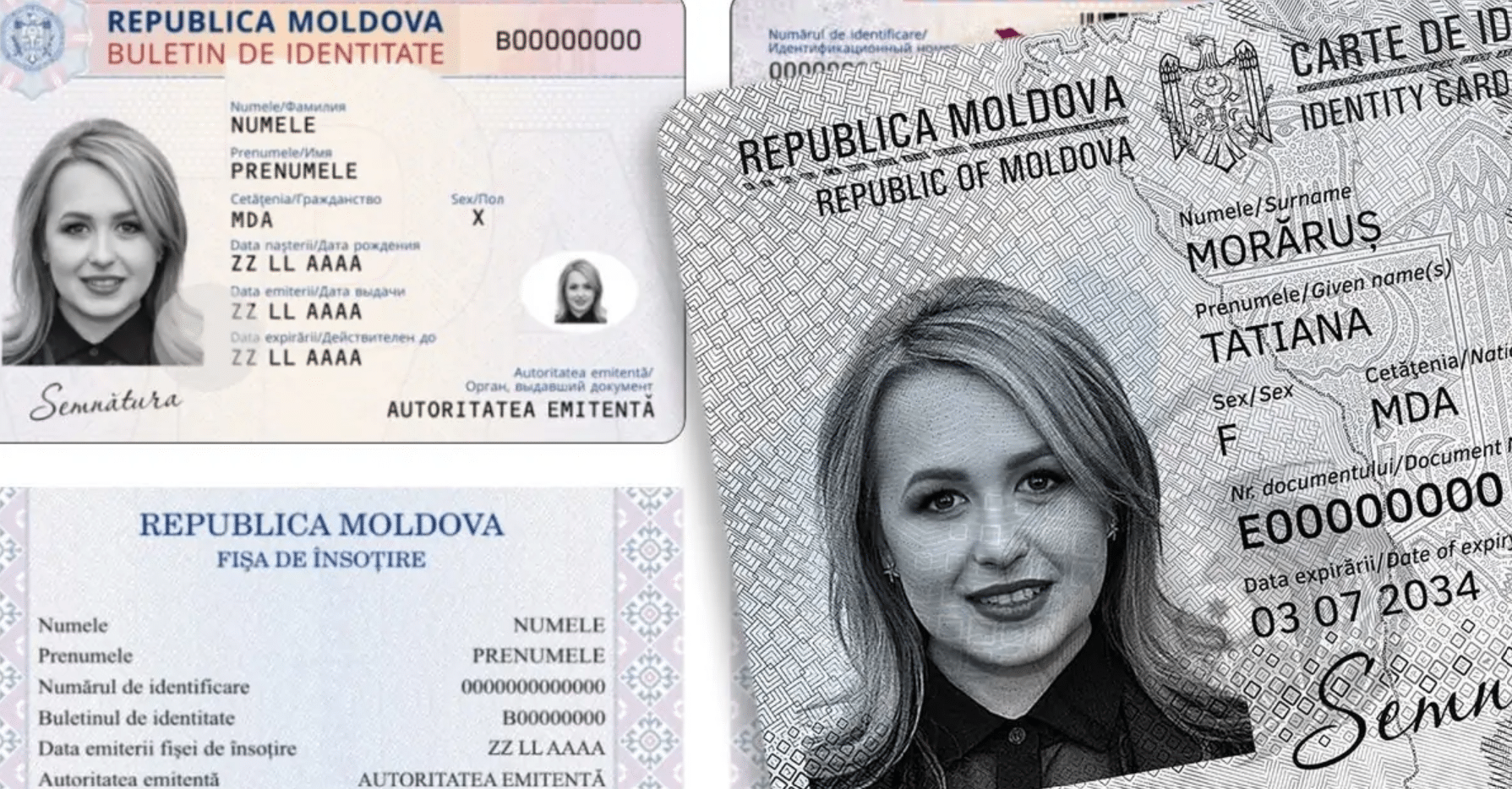
A cyberattack on Moldova’s digital government infrastructure exposed personal information associated with approximately 750,000 national identification numbers, according to preliminary findings from the country’s Electronic Governance Agency (AGE).
According to a technical update by the AGE on October 27, the attackers queried about one million state identification numbers of a natural person (IDNP), which is the basic identifier used in the country to verify individuals for access to a wide range of public services. The 13-digit number underpins the country’s unified digital government architecture.
The preliminary figures do not mean that 750,000 digital identity accounts were hacked. Prime Minister Vasile Tofan said the figure represents cases in which attackers obtained at least one piece of personal information associated with an identifier.
The incident took place between October 19 and 23. Information exposed included names, dates and places of birth, family relationships, health insurance status, social benefits, driving licence details, photographs, vehicle ownership, bank account numbers and tax information. Not every affected person had data exposed in every category.
According to AGE, the attackers exploited vulnerabilities in government services accessible without authentication, using personal identification numbers to retrieve data and then information obtained from those queries to extract further records.
In the wake of the crisis, the country’s President Maia Sandu has convened an emergency meeting for the “coming days” to look into the situation and decide on what next steps to take, Radio Free Europe reports.
The head of the country’s Cybersecurity Agency, Mihai Lupascu, said the attack was “without a doubt” the largest recorded so far, describing it as “highly sophisticated.” It affected approximately a third of the resident population.
Prime Minister Vasile Tofan said authorities are investigating possible involvement by foreign state actors, but no perpetrator has been identified publicly. He insisted that Moldova will continue to make cybersecurity a priority and would do everything it takes to strengthen its cybersecurity architecture in order to guarantee its digital sovereignty.
“This is a matter of the highest priority for us, and we will continue to focus on protecting citizens’ data, and preventing such incidents in the future. To achieve this, we must invest in our security, including cybersecurity,” Tofan is quoted by state news agency MoldPres as saying.
Authorities examined 82 digital public services and temporarily disconnected vulnerable services and information systems to contain the attack. Most affected services have since undergone remediation, with operations being restored following security checks.
There are similar concerns in Denmark where government is thinking whether to reissue the Central Person Register (CPR) after personal numbers of about 8.8 million people were hijacked. In Senegal, a breach of the country’s population database in February halted ID card issuance for days.
Moldova has been modernizing its identity infrastructure in the last five years through different projects including the introduction of electronic ID cards in April last year.
cybersecurity | identity management | Moldova | national ID
Türkiye plans to develop a national digital identity wallet prototype in 2027, initially supporting identity documents and academic diplomas, with…
It’s almost Halloween, when terrifying specters haunt the streets. For the biometrics industry, those specters are deepfakes. Having evolved from…
A new Technical Specification from ETSI sets out safeguards for reducing the risk of generative AI systems producing harmful deepfakes,…
By Daniel Asraf, Vice President, Product Management & Innovation, Biometric Identity Technologies, HID Biometric identity systems are quickly becoming the…
Two U.S. senators are demanding that the Treasury Department explain why it continues to rely increasingly on private identity verification…
Suffolk Constabulary announced on October 26 that it will deploy live facial recognition (LFR) technology in Lowestoft on November 3,…
This site uses Akismet to reduce spam. Learn how your comment data is processed.
Continue Reading
Learn More
Copyright © 2026 Biometrics Research Group, Inc. All Rights Reserved.
Web Design by Studio1337
About the Author