Connecting decision makers to a dynamic network of information, people and ideas, Bloomberg quickly and accurately delivers business and financial information, news and insight around the world
Americas+1 212 318 2000
EMEA+44 20 7330 7500
Asia Pacific+65 6212 1000
Connecting decision makers to a dynamic network of information, people and ideas, Bloomberg quickly and accurately delivers business and financial information, news and insight around the world
Americas+1 212 318 2000
EMEA+44 20 7330 7500
Asia Pacific+65 6212 1000
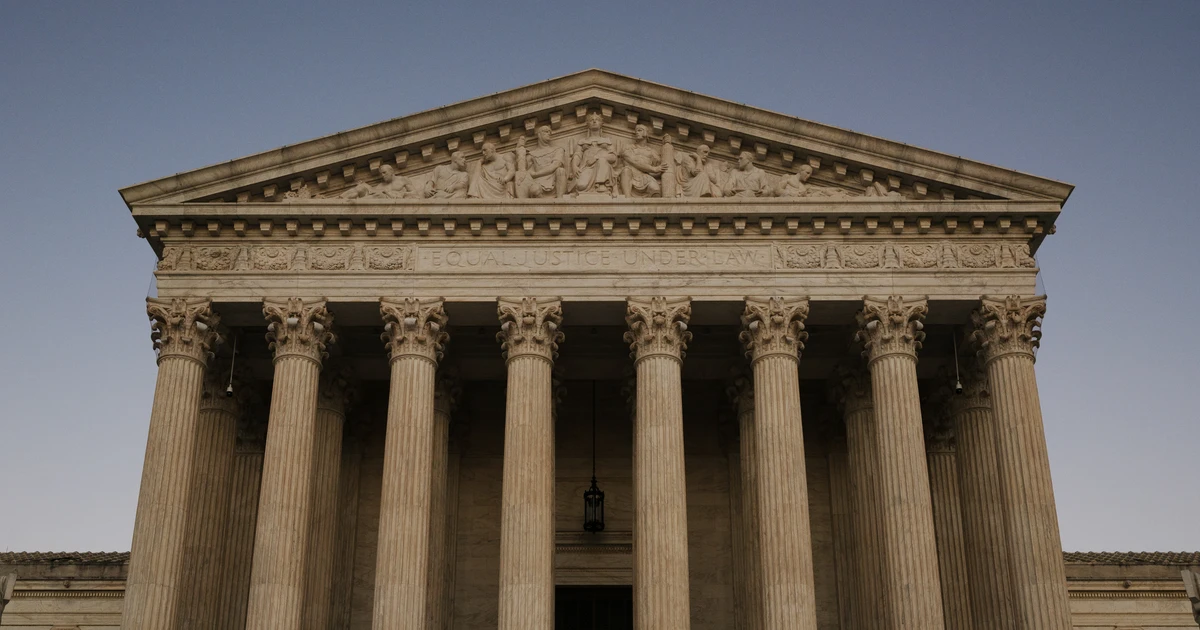
The Trump administration requested the US Supreme Court weigh in on its latest loss over regulation of surprise medical bills, asking whether courts can use the Administrative Procedure Act to universally vacate federal rules.
A ruling in favor of the administration could potentially upend a sprawling web of litigation over federal regulation, including ramifications for lawsuits over rules governing the Affordable Care Act, Medicare, and Medicaid.
The US Court of Appeals for the Fifth Circuit improperly used universal vacatur as a default remedy to overturn provisions of a rule calculating payment benchmarks in arbitration disputes for unexpected out-of-network bills, the administration argued in its petition for certiorari filed Wednesday.
The Fifth Circuit’s August decision capped a yearslong fight over the Biden administration’s rules implementing the No Surprises Act, which have suffered successive losses in court. The most recent ruling sided with the Texas Medical Association and air ambulance providers in overturning parameters that allowed insurers to include so-called ghost rates and exclude bonuses in their payment calculations.
The Office of Personnel Management and the Health and Human Services, Labor, and Treasury departments cited the high court’s 2025 decision in Trump v. CASA, Inc. — which restricted courts’ ability to issue universal injunctions — in support of their case, saying that even if the APA allowed for universal vacatur, it “would certainly not be an appropriate ‘default’ remedy.”
The administration agreed that the law allows courts to grant relief to plaintiffs involved in a particular case.
“The question is whether the authority to ‘set aside’ agency actions allows federal courts to vacate agency rules as to everyone, including non-parties, and, if so, in what circumstances,” the administration wrote.
The case is Dept. of Health and Human Servs. v. Texas Medical Ass’n, U.S., No. 26-491, cert petition filed 10/14/26.
Bloomberg Law provides trusted coverage of current events enhanced with legal analysis.
Log in to keep reading or access research tools and resources.
About the Author