Please refresh the page or navigate to another page on the site to be automatically logged inPlease refresh your browser to be logged in
Swipe for next article
The chancellor vowed there would be a ‘reduction in the benefits bill’ before the next general election – and then Downing Street intervened
Removed from bookmarks
Want to bookmark your favourite articles and stories to read or reference later? Start your Independent Membership today.
Already a member? Log in
Andy Burnham was forced to pledge not to cut benefits in the next three years after his chancellor sparked confusion over the Budget.
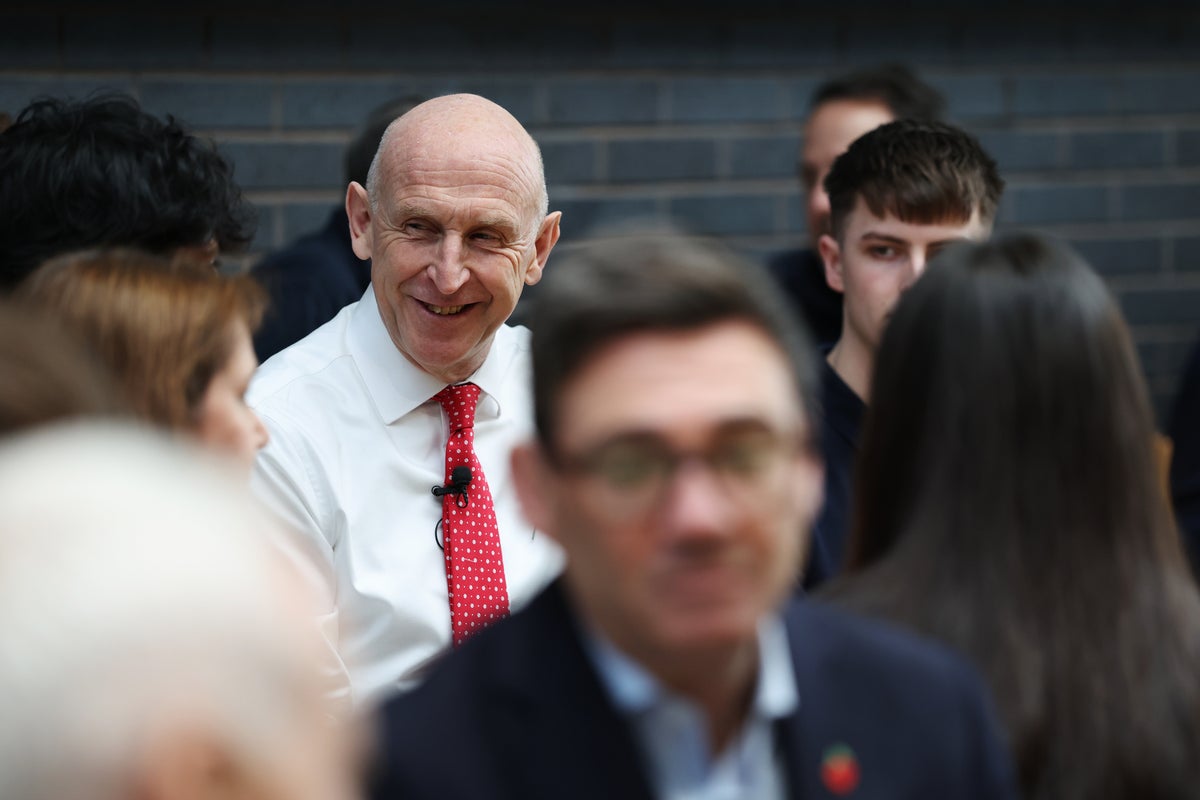
Downing Street issued a hurried statement after John Healey suggested in an interview that there would be a “reduction in the benefits bill” before the next general election.
He insisted the government would “do that in a Labour way”, leading to reports that he had confirmed the cuts would start before July 2029. That forced No 10 to deny any such plans, saying it was an incorrect interpretation of his reply.
The confusion came as a leading think tank, the Centre for Social Justice (CSJ), warned that the £33bn in “stealth tax” from freezing income tax thresholds on workers would be completely swallowed up by a £3bn rise in the benefits bill.
Meanwhile, Institute for Fiscal Studies (IFS) head Helen Miller warned that Mr Healey’s “risky” Budget had exposed Britain to future economic shocks and failed to tackle the “worst decade for growth” for household incomes on record.
She hit out at his series of small measures to help households announced in the Budget, adding: “No amount of temporary cost of living packages will fix that. We need a stronger economy.”
Earlier yesterday, the fiscal watchdog Office for Budget Responsibility (OBR) predicted that the total cost of health-related benefits would exceed £100bn by the end of the decade, with three quarters of the payments forecast to be paid to working-age adults.
Asked whether there would be a reduction in the benefits bill before the next general election, Mr Healey told BBC Radio 4’s Today: “There will be a reduction in the benefits bill, we’ll do that in a Labour way and we’ll do that because it is simply not good for Britain or progressive to have a bigger and bigger benefits bill.”
Mr Healey also told GB News that ministers have already brought in a range of measures to cut the cost.
He told the broadcaster: “This was a broken system. And two years ago we started putting back in place face-to-face assessments. We’ve changed terms of universal credit, so people don’t have to brand themselves as too sick to work.
“So, those are changes we’re making now. But in the long run, as I’ve argued, and the prime minister has said, too, we have to bring the cost of benefits down.
“We will, but we have to do that, especially for our young people, in a way that gives them a chance to make something of themselves. And when we’ve got a million youngsters that aren’t working and aren’t in education or training, that’s a moral duty to do this, and we will.”
He added that “crude cuts” to the welfare system would be a bad idea when “people are feeling the cost-of-living pressures”.
But asked about Mr Healey’s remarks on welfare cuts later on Thursday, the prime minister’s official spokesperson said: “We’ve never set an arbitrary target or timetable on that.
“But, as I say, both the prime minister and the chancellor have been crystal clear that the welfare bill needs to come down, and that we need to do that in a progressive and sustainable way and not through crude cuts which push people into hardship and puts pressure on the system elsewhere.”
Pressed on whether Mr Healey and Mr Burnham remained aligned on how and when to reduce the benefits bill, the spokesperson said: “The chancellor is completely in line with what the PM has said over the last few months that the welfare bill needs to come down and, as I say, we are not setting an arbitrary target or timetable on that.”
The chancellor’s Budget has faced criticism for not dealing with the spiralling cost of welfare, after he made no mention of cuts in his Budget, including from Tory leader Kemi Badenoch, who said the country is “drowning in an out-of-control welfare system”. Meanwhile, the IFS think tank warned Mr Healey had delayed making tough decisions on the issue.
Delivering his Budget on Wednesday, Mr Healey delayed major changes to welfare until 2027, arguing the government would wait for the outcome of Alan Milburn’s review into the youth unemployment crisis, which is due to be published next month.
The OBR forecast that the total cost of health-related benefits, which includes sickness benefits and personal independence payments (PIP), will reach £105bn by the 2028-29 financial year.
In its assessment, the CSJ warned that all the money taken from freezing income tax thresholds adding up to £33.1bn would be swallowed up by an increase in welfare payments of £33.4bn.
Joe Shalam, Policy, director at the CSJ, said: “Sickness and disability benefit spending is now forecast to exceed £100bn by the end of the decade and 6.7 million people are on out-of-work benefits, while the rest of the country is dragged into higher tax to pay for inaction. Public support for the system there to protect the most disadvantaged is being pushed to breaking point.”
Join thought-provoking conversations, follow other Independent readers and see their replies
Please refresh the page or navigate to another page on the site to be automatically logged inPlease refresh your browser to be logged in
About the Author