14 October 2026 17:06
PFL Africa lands in Casablanca as high-stakes semifinals set stage for Kigali finals
14 October 2026 16:25
Rosemary Ndlovu slapped with 10 additional years behind bars for hit plot
14 October 2026 16:18
Young guns shine: SA junior sweeps podium as Sam Mocke earns triple world crown
Sara-Jayne Makwala King
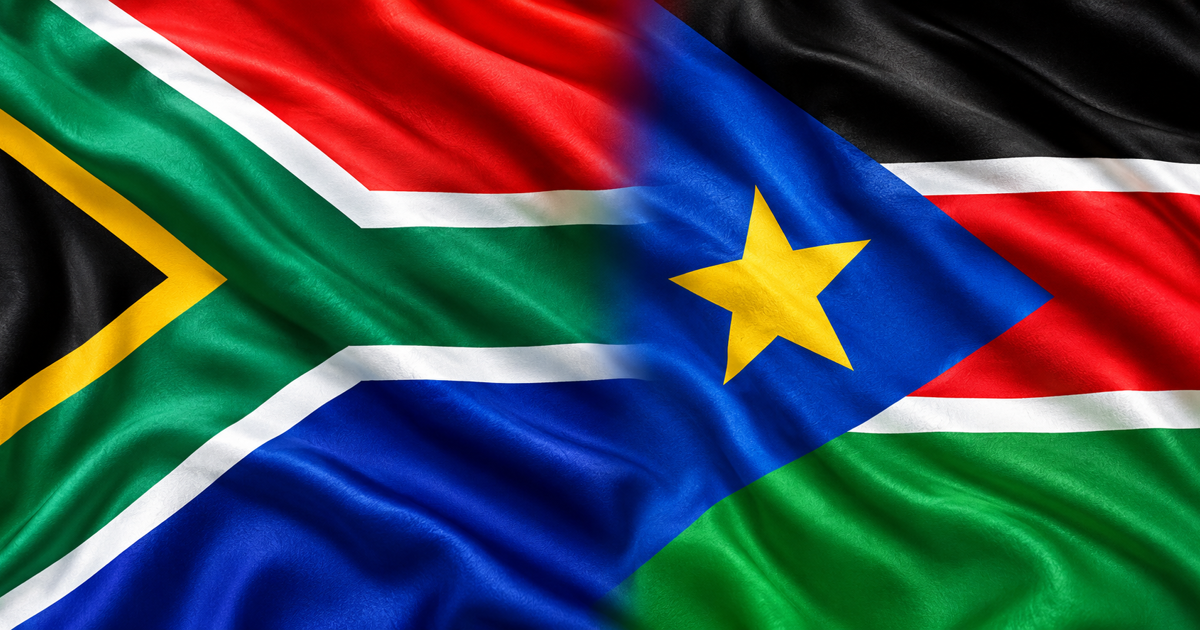
Flags of South Africa (l) and South Sudan (r).
South Africa is apparently still pushing ahead with plans to build an oil refinery in South Sudan.
That’s according to a recent article in the Sunday Times written by journalist Kabelo Khumalo.
Khumalo writes that plans are still going ahead, despite concerns about the cost and the ongoing conflict in the region.
The deal for the refinery was signed more than seven years ago, and around R330 million has reportedly already been spent.
Speaking to 702’s John Perlman, military and security analyst Dr Joan Swart questioned whether it was a good investment.
“The first thing to look at is what was the R330 million actually spent on?”
She explained that the project was still in its early stages, meaning there was no guarantee it would make money.
“It is currently only in the exploration phase. So it’s an oil exploration project, not a producing oil field or refinery yet.”
And the location isn’t helping either, she said.
The proposed refinery would be built in Pagak, an area affected by fighting, flooding and poor roads.
The other potential problems include getting the oil out of South Sudan, which Swart suggested would also be difficult and expensive, having to rely on transport routes running through other countries.
“There are already existing pipelines, but it goes north, through North Sudan. And then you either have to go east through Ethiopia and Djibouti, and that’s two countries that you’ve got to consider then in terms of infrastructure and agreements and so on.
“To me, on the surface, it does not make sense,” said Swart.
ALSO READ: Govt finalising policy to protect SA against fuel supply disruptions
The other issue, according to Swart, is that the capacity of the refinery would also be relatively small at 60,000 barrels a day.
“It’s very small, yes. It’s a third of the size of what SAPREF’s capacity used to be before they stopped. That’s the Durban refinery.”
But Swart wasn’t against the idea of South Africa investing in oil projects elsewhere in Africa.
“It could actually generate financial returns, better diversify our crude supply and give us access to production.”
Perlman also questioned whether the money would be better spent getting South Africa’s SAPREF refinery in Durban running again.
Swart said that was another option, but it would cost billions and come with its own risks.
“The numbers I have, we’re talking about R217 billion.”
The South African National Petroleum Company, which is pursuing the South Sudan project, was invited to join the discussion but was unavailable.
ALSO RELATED: SA’s R117bn refinery plan won’t mean cheaper fuel, could take 10 years
ALSO READ: Expect more festive season pain at the pumps, warns Investec chief economist
Never miss a major story. Get breaking news and the latest developments from South Africa and beyond as they happen.
Take a look at the topic timeline for all related articles.
14 October 2026 07:54
Petrol prices are rising, now food prices are likely to follow suit, warns economist
13 October 2026 12:16
Sun International launches responsible gambling charter
13 October 2026 12:00
SA mining production plunged 12.7% in August
Follow us
Sections
Other
COPYRIGHT 2026 ALL RIGHTS RESERVED
About the Author