Please refresh the page or navigate to another page on the site to be automatically logged inPlease refresh your browser to be logged in
Swipe for next article
Trump and his national security team discuss possibility of restarting large-scale US military operations in Iran
Removed from bookmarks
Want to bookmark your favourite articles and stories to read or reference later? Start your Independent Membership today.
Already a member? Log in
I would like to be emailed about offers, events and updates from The Independent. Read our Privacy notice
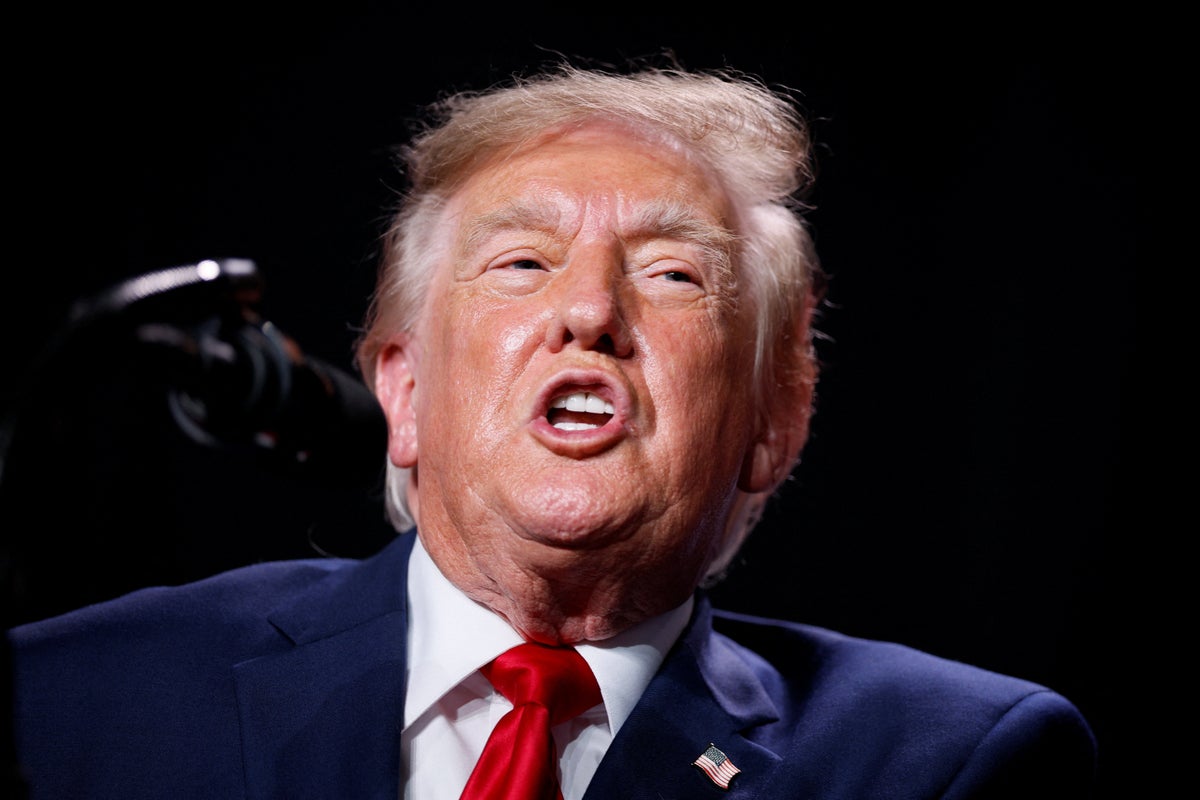
Donald Trump has said his Middle East envoy Steve Witkoff was making progress in negotiations with Iran, but suggested that reaching a deal was not his preferred outcome.
He said: “I think the deal isn’t really something that I want to do, but they’re willing to offer us anything to stop,” Trump told supporters at a campaign rally in San Antonio.
NBC News reported that Trump and his national security team have discussed the possibility of restarting large-scale US military operations in Iran in the coming weeks, including potential strikes ahead of next month’s midterm elections.
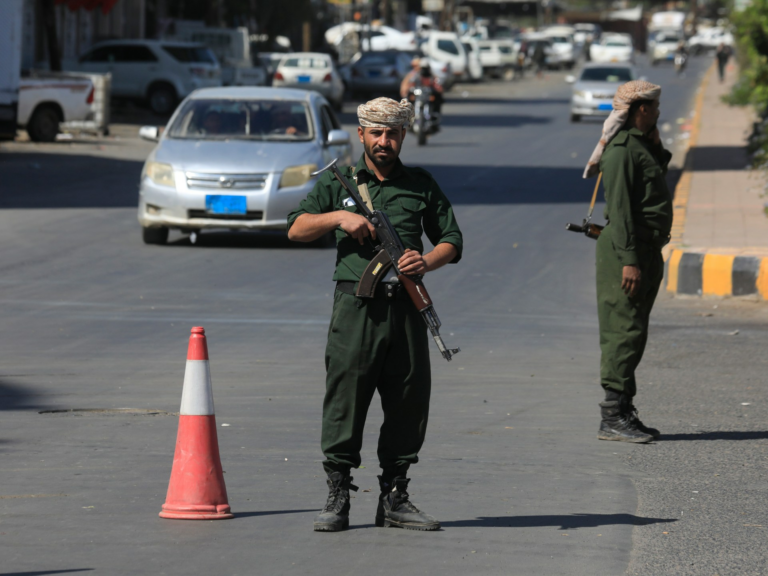
Meanwhile, three people were killed and more than 30 were injured in strikes on airports across Saudi Arabia, the country’s civil aviation authorities said on Wednesday, amid a flare up in clashes with the Yemeni Houthi rebels.
One person was killed and eight were injured in an attack on King Khalid International Airport in Riyadh, while two were killed and 28 were injured in an attack at Abha airport, a statement read.
A tanker off Qatar’s northern coast was struck by “multiple projectiles”, causing an unknown number of casualties, according to the UK Maritime Trade Operations agency.
The attack came as tensions around the Strait of Hormuz intensified, with Iran saying it would close a southern route used by some vessels to bypass its blockade.
At least 12 attacks on oil and gas tankers were recorded around the strait in the week to 5 October, while India said 12 crew members were injured in a separate tanker attack.
Iran says it has full control of the strait, but US secretary of state Marco Rubio disputes this, saying Iran has “lost complete control” and that oil flows are close to pre-war levels.
Donald Trump has given mixed messages this week on the status of the war.
“We’re doing extremely well in the Islamic Republic of Iran, very well,” he said on Tuesday.
“But we have to finish up, and it’s only a question of which way do we want to do it: Do we want to do it the nice way or the not-so-nice way? And pretty soon, you’ll find out.”
Then on Wednesday, Trump said the war had been won. “It’s a war that’s been won from the standpoint of what we have to do,” he said, adding: “It’ll be over very quickly. And when it does, and when it does, oil prices will come tumbling.”
Donald Trump once again claimed that the war against Iran was necessary to prevent Tehran from developing nuclear weapons and potentially attacking US cities such as Los Angeles or San Diego.
However, US intelligence assessed in 2025 that Iran was not building a nuclear weapon and that its weapons programme had been suspended in 2003.
Iran also does not have missiles capable of reaching the US mainland.
Despite this, Trump said: “We’re not going to let that happen” and repeated that Iran “would use it” if it obtained a nuclear weapon.
India says it condemns the attacks this week by Houthi rebels on two airports in Riyadh.
Saudi officials say two people were killed and 28 wounded in one attack at Abha International Airport, and one person was killed and eight wounded in a separate strike on King Khalid International Airport.
“The targeting of civilian infrastructure is completely unacceptable,” India’s foreign ministry said in a statement.
“We express our deepest condolences to the families of those who have lost their loved ones. We wish speedy recovery for those injured. We express solidarity and stand with the people and government of the Kingdom of Saudi Arabia.”
Attacks on oil and gas tankers in the Strait of Hormuz reached their highest weekly level since the Iran war began, according to maritime security sources cited by Reuters.
At least 12 tankers were attacked between 28 September and 5 October, while the International Maritime Organization recorded nine incidents.
Iran’s Revolutionary Guards have also continued drone surveillance, radio harassment and attempted attacks on vessels.
The escalation comes as Gulf producers increase oil exports, while India said 12 crew members were injured after a projectile struck a Panama-flagged oil tanker travelling through the strait.
Oil prices rose above $101 a barrel on Thursday as markets remained concerned about potential supply disruptions in the Middle East. Brent crude climbed $1.33, or 1.33 per cent, to $101.53 a barrel by 01:16 GMT, while US West Texas Intermediate (WTI) rose $1.11, or 1.26 per cent, to $89.39.
The gains came amid heightened tensions over attacks on shipping in the Gulf and around the Strait of Hormuz.
Donald Trump and his national security team have reportedly discussed the possibility of restarting large-scale US military operations in Iran in the coming weeks, including potential strikes ahead of next month’s midterm elections, according to a US official and another person familiar with the discussions.
A defence department official told NBC News: “The department’s job is to develop and present military options to the president.”
A White House official said the US “is in a very strong position”.
“Iran has been decimated, and things will go one of two ways: the easy way or the hard way,” the official said.
“President Trump holds all the cards and will do whatever is best for the United States.”
Donald Trump says Steve Witkoff, his special envoy to the Middle East, is “doing very well” while he works on a potential agreement with Iran.
But he added that “I think the deal isn’t really something that I want to do, but they’re willing to offer us anything to stop,” Trump told supporters at a campaign rally in San Antonio.
“That war ends – it’s going to be very soon. It’s got to be very soon,” Trump said.
He also called Iran “a failed nation” with “a little spunk left, but not much.”
Iran would “never have a nuclear weapon”, he said and praised Witkoff as “a great negotiator”.
The US and Iran have held indirect nuclear talks in New York this month, according to NBC News, as Washington pushes for a broader agreement to address Iran’s nuclear programme.
According to the report, the Trump administration wants any agreement with Tehran to address what it describes as outstanding critical issues, including Iran’s nuclear programme.
The Trump administration has rejected Tehran’s proposal for a seven-day deal focused first on reopening the Strait of Hormuz, in which the US would lift sanctions and unfreeze Iranian funds while nuclear talks were postponed.
Instead, Washington wants the nuclear issue included in any agreement rather than handled separately at a later stage.
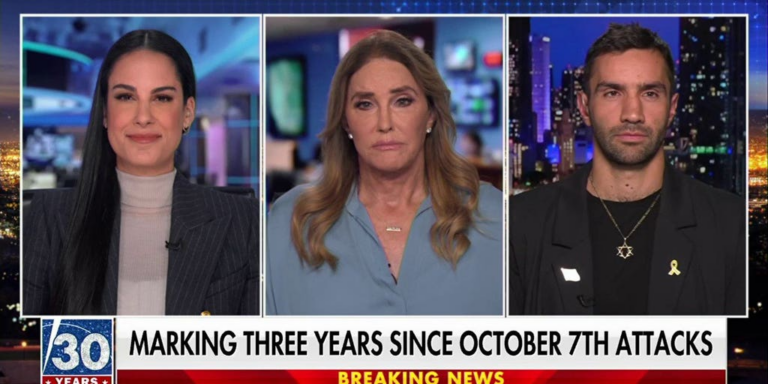
“After three years, my worst fear is that my kids’ memory will fade away,” Sigal Manzuri says, on the eve of the anniversary of the October 7 Hamas attacks that claimed her two daughters’ lives.
“I just ask from others to really please remember that behind every picture they see, every story they hear, there is a soul, there are so many dreams cut short. And just remember them.”
Sigal, a US-Israeli mother and activist from Hod HaSharon in central Israel, today dedicates her time to preserving the memory of her daughters, Norelle, 25, and Roya, 22, who were both killed at the Supernova music festival in 2023.
Some 1,200 people were killed that day as the Palestinian terror group led an armed incursion across the border, rampaging through towns and taking 251 hostages back into Gaza.
Read the full story:
Join thought-provoking conversations, follow other Independent readers and see their replies
Please refresh the page or navigate to another page on the site to be automatically logged inPlease refresh your browser to be logged in
About the Author