Get the latest news from your city
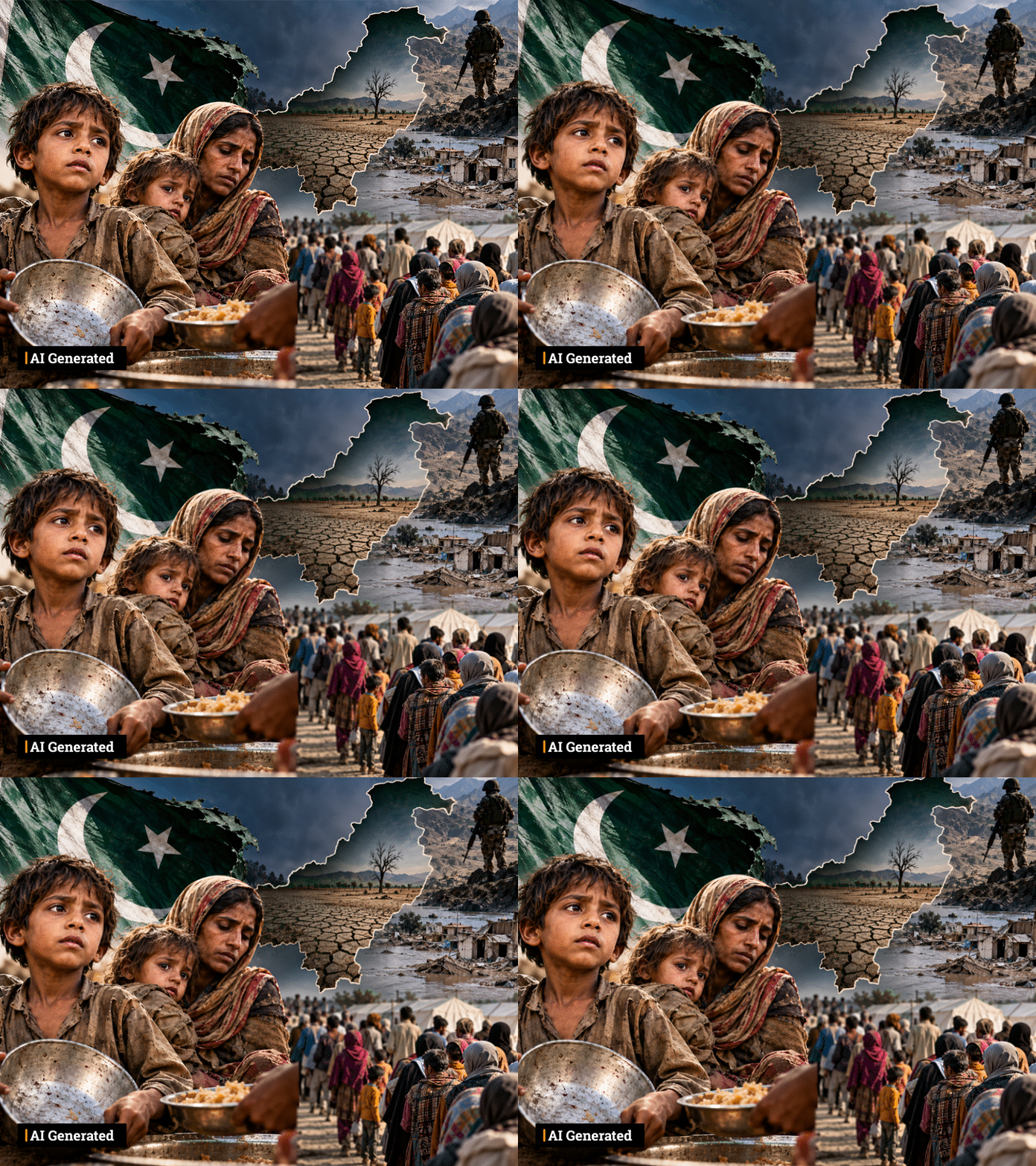
Pakistan is now among the top 10 countries facing the world’s worst hunger crisis. Additionally, around 10.6 million, or 1.6 crore, people will need humanitarian assistance in 2026, Pakistani news outlet Daw reported, citing the international humanitarian organisation Action Against Hunger.
The long list of problems for the country includes climate-related disasters, economic hardship, displacement, and shrinking humanitarian funding. These problems have worsened the living conditions of the general public.
Moreover, localised insecurity in Khyber Pakhtunkhwa and Balochistan continues to disrupt livelihoods, restrict access to markets, and hamper humanitarian operations.
How bad is the current situation?
According to a report released by another humanitarian aid programme, Action Against Hunger Pakistan is facing a severe humanitarian crisis, with 7.9 million people experiencing acute food insecurity.
The country struggles with high rates of malnutrition: 18% of children are malnourished, and 40% are stunted (impaired growth and development).
Factors responsible for Pakistan’s problems
The same report also hints that the purchasing power of people has been reduced. Moreover, the factors responsible for these worsening conditions are-
1. Persistent poverty
2. High food inflation
3. Rising living costs
4. Limited employment opportunities
5. Declining household incomes
6. Unfavourable agricultural prices
7. Broader economic instability
How are the people dealing with it?
As the needs of the general public and the resources available to consume are not at par, vulnerable households are resorting to coping strategies.
These strategies include-
1. Cutting food consumption
2. Selling productive assets
3. Withdrawing children from school to reduce financial pressures
Although these strategies may provide a short term relief to the people but will surely cause a longterm harm to the people.
Climate plays a major role
Pakistan’s vulnerability to climate-related disasters remains a major driver of food insecurity. Recurrent floods, droughts, heatwaves, glacial lake outburst floods (GLOFs) and erratic monsoon rainfall have damaged infrastructure, reduced crop yields and disrupted livestock-based livelihoods.
Crop losses and prolonged dry spells have forced more households to depend on markets for food, despite limited purchasing power. Prolonged drought conditions in several districts have further raised concerns over agricultural production and rural incomes.
Copyright © 2024-25 DB Corp ltd., All Rights Reserved
This website follows the DNPA Code of Ethics.
About the Author