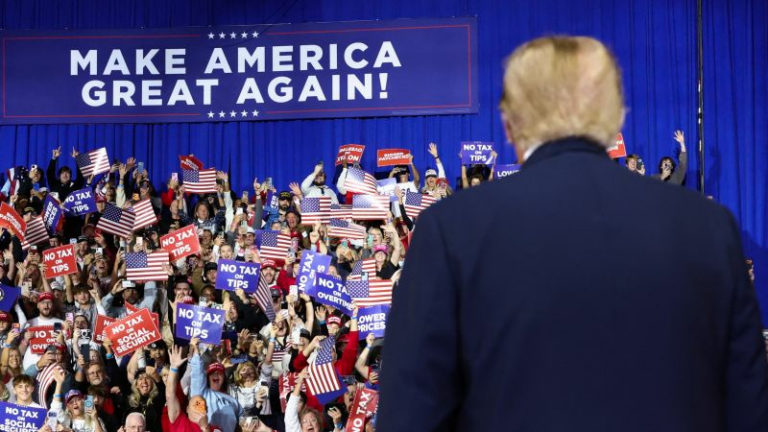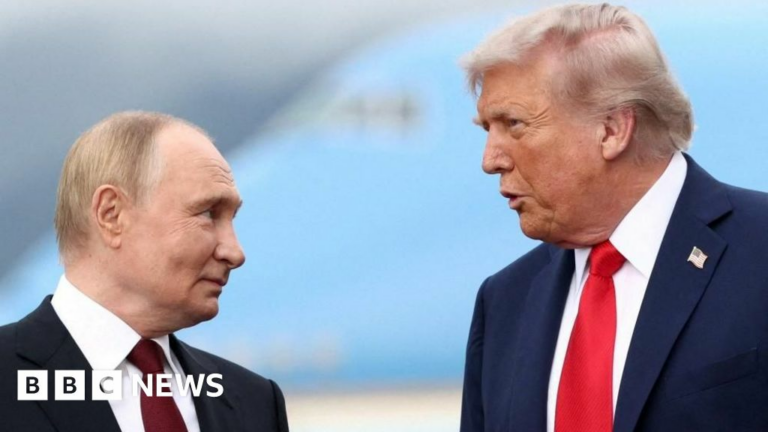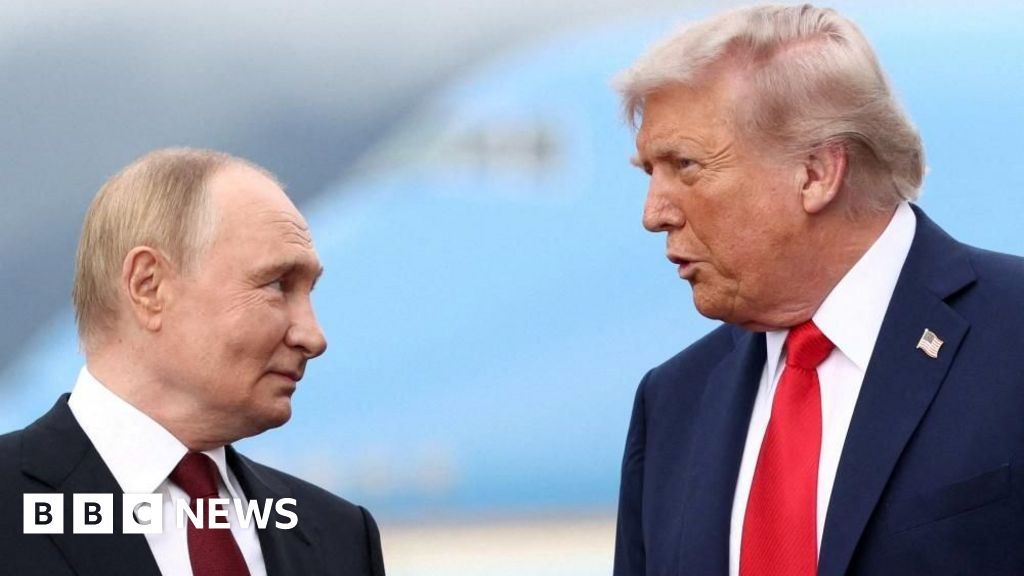
US President Donald Trump blocked numerous sanctions on Russia two days before they were due to take effect, as a row with his Ukrainian counterpart Volodymyr Zelensky deepens.
The sanctions were passed by the US Congress and signed into law by the president in September.
But Trump issued an executive order Friday night saying that suspending some was in the US national interest, prompting a backlash from US lawmakers. Zelensky said it was unfortunate the US has decided to "completely disregard" the sanctions.
US Secretary of State Marco Rubio said on Saturday that the suspension would consist of a 60-day pause intended to analyse the impact on the global economy.
The new US sanctions law took aim at Russia's economy by giving Trump broad powers to levy tariffs of up to 100% on imports from the top five purchasers of Russian oil and gas – most significantly China and India.
It also included sanctions against senior Russian figures, including Putin, as well as Russian financial institutions and Moscow's so-called "shadow fleet" of vessels used to circumvent existing embargoes.
Rubio said Trump wanted to use the 60 days to analyse "what imposing both sanctions and tariffs will mean to the global economy and even to the US economy".
Relations between Washington and Kyiv frayed after the US struck a controversial deal to import Russian diesel last week. Ukraine has accused the Trump administration of withdrawing key military support.
Since then, Ukraine's president declared it was nice to be among "real leaders" while addressing an EU summit, after Trump said Zelensky was "more difficult to deal with" than Russian President Vladimir Putin.
The sanctions suspension seemed to add further fuel to the fire, while Russia welcomed it.
Russian envoy Kirill Dmitriev said Trump's order was "an important and truly historic moment".
Posting on X, he said the sanctions would have inflicted "serious damage", primarily on the US and global market, and that economic cooperation benefits both nations.
Democrats including the Virginia Congressman Don Beyer criticised the move, accusing Trump of capitulating to Moscow and turning his back on Kyiv and Zelensky.
"Trump's latest surrender to Putin again betrays our Ukrainian partners and defies clear congressional intent of legislation designed to punish Russia for its illegal war of aggression," Beyer wrote on X.
A handful of Republicans, too, came out against the move.
Senator Ted Cruz of Texas, a Trump ally, called waiving the sanctions a mistake, saying on Fox News: "I wish the president hadn't done it."
He added there were other ways to address diesel prices and "the current path, unfortunately, just… benefits Putin and that's not a good idea."
Senator John Cornyn, also of Texas, said on X: "Helping Putin in Ukraine is reckless. He would not stop with Ukraine and our NATO allies would be next."
North Carolina Senator Thom Tillis called it "beyond irresponsible", noting the sanctions legislation passed the chamber with a large, bipartisan majority.
Trump could bring down energy prices "by solving the Iran problem, not by doing a solid for Vladimir Putin," he said.
Nebraska Representative Don Bacon said many lawmakers will now resist funding the president's agenda "knowing he is propping up a dictator's invasion and throwing an ally under the bus".
The move is likely to draw further anger from Ukraine, where Zelensky has long stressed the need for stringent sanctions to limit funding that Russia can use in its war effort.
Zelensky said on Saturday morning that the sanctions "could have helped enormously" and that the law was "supposed to impose truly effective pressure on Russia to bring this war to an end".
He pointed to Russian overnight attacks on 15 Ukrainian energy facilities that had caused power cuts in several regions and said: "Russia is trying to cause a blackout in Ukraine – right before winter."
Zelensky said it was "important that everyone in America also sees what is really happening" on the ground.
He later told reporters that he believed the Trump administration would lift more sanctions against Russia.
Negotiators from Ukraine spoke to their US counterparts on Friday and both teams could meet next week, he also said.
Zelensky and Ukraine's European allies initially criticised Trump for his plans to import Russian diesel in hopes of bringing down US energy prices, which have skyrocketed during the Iran war.
Zelensky suggested the deal was tantamount to the US investing in Russia's war effort.
A few days later, Trump claimed that both Russia and Ukraine had agreed to an "energy ceasefire" to facilitate the export of Russian diesel. Both nations have been intensively striking one another's energy infrastructure.
Zelensky expressed surprise at the announcement, and said Kyiv would stop the strikes if Russia did the same. After three days of fresh attacks from Russia, Kyiv resumed its strikes on Russian oil refineries.
Trump, condemned Ukraine's strikes as a disgrace, but Zelensky said he was "only standing up for Ukraine's interests".
Concerns that Trump is siding with Russia have been heightened by disruption to a US-provided satellite system used by Ukraine.
Last week Starlink suddenly and unexpectedly restricted the speed at which drones could fly while still maintaining internet connection. This disrupted some battlefield missions, Ukraine said, and hampered Kyiv's ability to protect itself from incoming Russian attacks.
Zelensky told reporters on Saturday that Ukraine had been told by US officials the speed restrictions were linked to technical issues.
However, he said Ukraine had tested Starlink on EU territory and found "these problems do not exist" and the system was operating at higher speeds.
Trump has denied halting intelligence-sharing and deliberately slowing down the network.
Ukrainian authorities have confirmed that at least nine people have been killed and around 60 injured in Russian strikes across the country since Friday. That included an ambulance driver killed and 20 others injured in a Russian strike on the city of Kherson, they said.
Additional reporting by Helen Sullivan and Sareen Habeshian
New filings show the world's richest person spent this summer again trying to help Republicans win office, with most of his focus on one candidate.
Her public debut as press secretary ended with a flurry of media criticism about her credentials and preparedness.
The White House is facing growing adversity, writes the BBC's Anthony Zurcher, weeks before crucial midterm elections.
The White House says the new press secretary is "transitioning out" of the role just days after taking the job.
As the 3 November election approaches and both parties fight for control of Congress, some clear themes have emerged.
Copyright 2026 BBC. All rights reserved. The BBC is not responsible for the content of external sites. Read about our approach to external linking.
About the Author