Transboundary Haze: A Test of Indonesia-ASEAN Cooperation
This article was translated by AI. Read the original article on Kompas.com. See Original
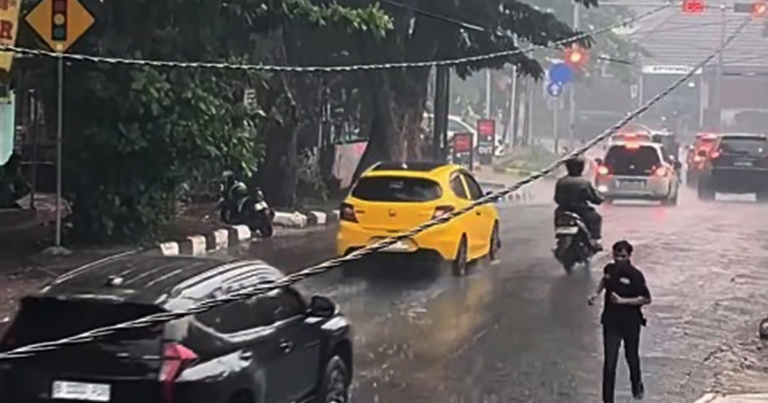
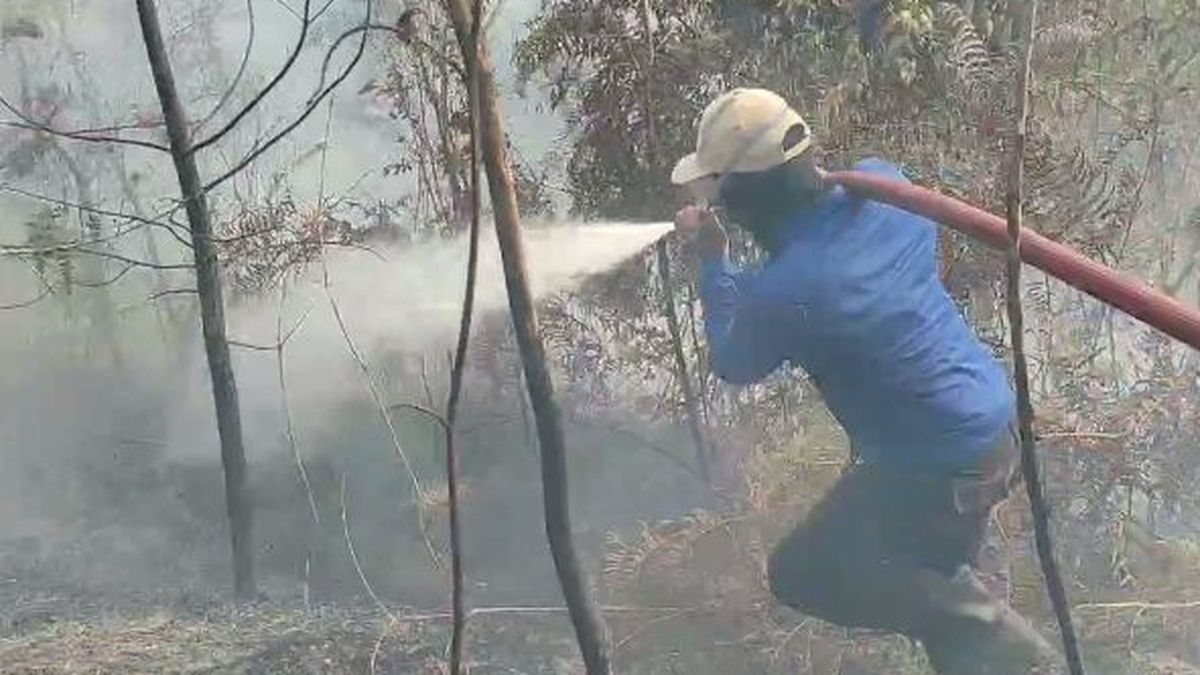
JAKARTA, KOMPAS.com – The dynamics of inter-state relations in ASEAN have come into focus as several countries are affected by transboundary haze due to forest and land fires (karhutla) in Indonesia.
Malaysia plans to bring the haze issue to the ASEAN foreign ministers’ meeting ahead of the ASEAN Summit in Manila, Philippines.
Meanwhile, Singapore is expanding its investigation into ten companies suspected of being linked to the forest fires in Indonesia.
Both countries’ actions come amid open criticism of Indonesia’s handling of the forest fires.
President Prabowo Subianto responded to the criticism by threatening to revoke the business licenses of those deemed responsible, although he did not specifically name any companies or countries.
“At the appropriate time, we will announce the names of those companies. Yes, everyone. But let’s stay calm and composed; we are responsible,” Prabowo stated during a National Coordination Meeting (Rakornas) of the Regional Financial Access Acceleration Team (TPAKD) at JIExpo, Jakarta, on Thursday (22/10/2026).
In this situation, the issue of transboundary haze challenges the implementation of cooperation among ASEAN countries, despite Indonesia having ratified the ASEAN Agreement on Transboundary Haze Pollution (AATHP) in 2014.
International law professor at the University of Indonesia, Hikmahanto Juwana, believes that the optimization of cooperation depends on its implementation on the ground.
Even with a framework of cooperation in place, Indonesia needs to open avenues for ASEAN countries to assist in extinguishing fires, particularly when the forest fires drag on for months.
He argues that reluctance to collaborate leads neighboring countries to frustration, prompting them to seek alternatives. However, various measures suggested, such as probing companies, are ineffective as long as the fires continue to burn.
“The key is opening up cooperation. There is frustration from the Singapore and Malaysian governments because they are also being pressured by their citizens affected by the haze,” Hikmahanto said when contacted by Kompas.com on Sunday (25/10/2026).
Hikmahanto explained that the principle of cooperation outlined in the ASEAN Agreement on Transboundary Haze Pollution shares similarities with the collective defense mechanism of the North Atlantic Treaty Organization (NATO), specifically Article 5 of the NATO treaty and Article 12(1) of the Haze Agreement.
Article 5 of the NATO treaty states that an armed attack against one member is viewed as an attack against all members.
A similar principle is reflected in the Haze Agreement, whereby forest fires in one ASEAN country become a collective issue for member states.
However, there is a fundamental difference in implementation.
Under NATO’s mechanism, collective assistance does not depend on prior approval from the attacked state to activate the obligation for assistance under Article 5.
In contrast, the Haze Agreement requires approval from the country where the fire occurs before deploying assistance to manage fires.
This mechanism must be addressed when Indonesia faces prolonged transboundary haze issues.
“So now we must ask, is the fire extinguished yet? We can hold corporations accountable, but if the fire is still raging and Indonesia does not allow other ASEAN countries to assist, the people in ASEAN will continue to be angry,” he noted.
Copyright 2008 – 2026 PT. Kompas Cyber Media (Kompas Gramedia Digital Group). All Rights Reserved.
About the Author