By Mark Wood | October 8, 2026
In a world where refugees are increasingly scapegoated and shunned by states, and where funding for refugees is shrinking, Zambia has chosen instead to include refugees into its national systems and move from a humanitarian response to a development framework. In 2023, the country launched a progressive National Refugee Policy designed to integrate refugees and foster their self-reliance. Now Zambia has built the foundations of a strong refugee model but has not created the practical conditions to fully realise it.However, laws enacted prior to the National Refugee Policy and some practical barriers continue to hamper progress and limit refugee access to work, education, and freedom of movement. Specifically, certain provisions of Zambia’s Immigration Control Act No.3 (2026), the Constitution (2016), the Refugees Act (2017), and the Citizenship Act (2016) conflict or do not align with the National Refugee Policy. As a result refugees face significant barriers to the rights that the government has pledged to advance.
In addition, administrative barriers persist, including permit costs. Moreover, limited funds and cuts to economic livelihood programs have stalled the transition away from encampment to one that is centered on the economic inclusion of refugees. This means the full potential and ambitions of the National Refugee Policy can not be fully realized.
Zambia’s approach to refugees is important for the Southern African region, which hosts over 10 million forcibly displaced and stateless people. It remains both a transit country for refugees and migrants and a host country, with more than 113,000 people of concern, according to the UN Refugee Agency (UNHCR). The success of Zambia’s refugee policy is important not only for Zambia and the refugees it hosts, but also to the region more broadly. For example, ongoing conflict and humanitarian crisis in the Democratic Republic of the Congo may lead to new regional refugee displacement, including into Zambia.
Meanwhile, deep aid cuts in recent years mean that already meager aid budgets are now even smaller. Zambia’s adoption of its progressive policy was, in part, a practical recognition that integrating and empowering refugees is the only viable path forward in a world where donor funds are increasingly limited. It is also a path that can provide a win-win for Zambia as a host country and the refugees it hosts.
Zambia and its international development partners, including the United Nations and the World Bank, must take steps to ensure the success of the country’s refugee model. The model cannot stand alone as an example of refugee resilience, but should transform refugee resilience to dignified empowerment and self-reliance.
This report draws on a Refugees International field visit to Zambia in April 2026. The visit included interviews with NGOs, civil society, the private sector, and the Zambia government. It is further based on analysis of the Zambia National Refugee Policy, the Refugee Act, the Citizenship Act, the Constitution, and the Immigration Control Act. The research focused on the experiences and challenges of refugees in Zambia, in both urban and rural settings. The interviews were conducted with refugees who have lived in Zambia for various periods of time and assesses their opportunities and hurdles to become self-reliant.
This research is part of the “Let Them Work” initiative, a joint project between Refugees International and the Center for Global Development, funded by the IKEA Foundation and the Conrad N. Hilton Foundation.
Zambia is both a transit and destination country in southern Africa, receiving refugees from all over the continent. Of the more than 113,000 people of concern in Zambia, there are more than 82,500 refugees, more than 12,360 asylum seekers, and more than 18,150 former refugees. The majority of refugees come from the Democratic Republic of the Congo (DRC) and Burundi, as well as Somalia and Rwanda. Some 75 percent of refugees live in three settlements: Meheba, Mayukwayukwa, and Mantapala.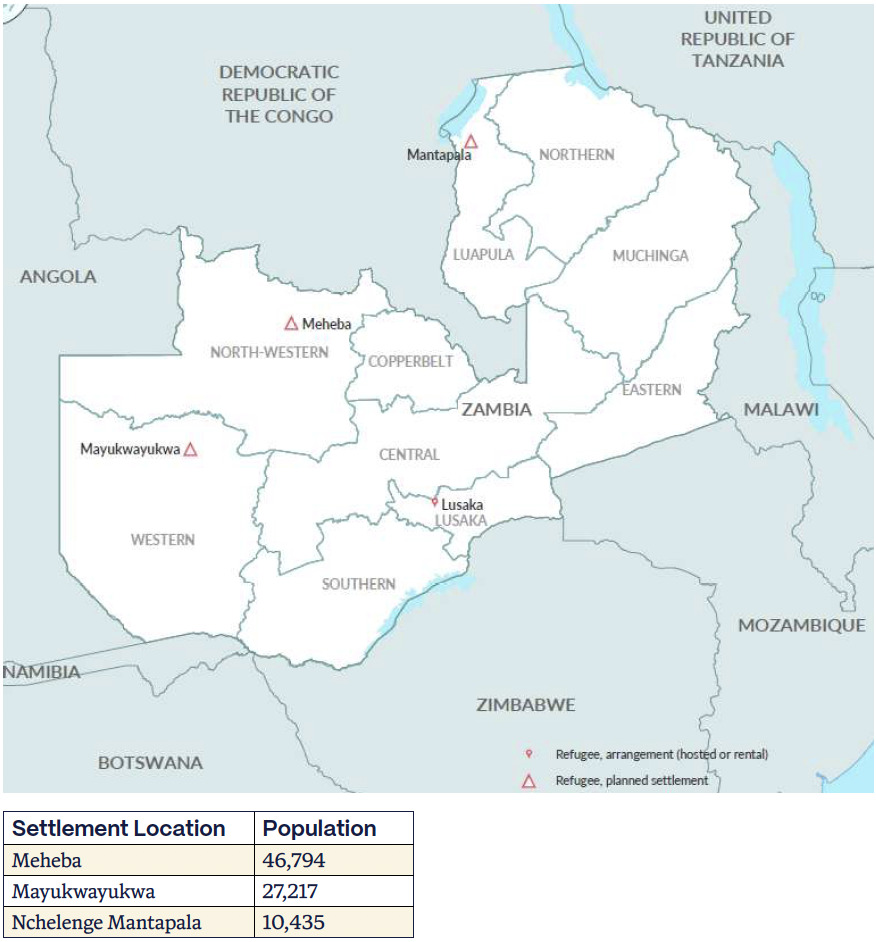
In August 2023, Zambia’s Cabinet approved the country’s first ever National Refugee Policy, which was formally launched in 2024. In doing so, the Zambian government laid the foundation for one of the most progressive refugee policy frameworks in Africa. The new policy acknowledges the benefits of the economic inclusion of refugees, and proposes integral reforms that are anchored in self-reliance, a shift away from encampment, and development integration.
Despite its forward-leaning posture, the vision remains largely unrealized. Legal contradictions between laws that passed before the policy was approved still remain. Furthermore, slow implementation, and, in some cases, cancellation of livelihood programs due to funding cuts have resulted in limited progress.
Additionally, the impact of the recent aid cuts – prompted by the Trump administration in 2025 and triggering other governments following suit – are straining the rollout of the policy, leaving in place an under-resourced system that prevents refugees from accessing livelihoods and contributing to their communities. Without decisive reforms – particularly around documentation – refugees will not achieve self-reliance.
The necessary step towards refugee self-reliance is strong engagement with development partners like the World Bank, the Japan International Cooperation Agency (JICA), and the Arab Bank for Economic Development in Africa (BADEA). These three agencies are assisting where traditional bilateral donor partners no longer are.
Furthermore, the Zambian government and the UN Refugee Agency (UNHCR) must seek frequent engagement with refugee-led organizations and ensure that they are able to participate in a constructive manner in the design and implementation of projects. Refugees can play a constructive role in mentoring other refugees, as has been the case with the UNESCO Qualifications Passport (UQP) to help navigate access to higher education.
At the Global Refugee Forum in 2023, at which the Zambia Vice President gave closing remarks – Zambia made ten pledges from various sectors focusing on: local integration, digitization of civil registration and identification, livelihood opportunities, inclusion into the Farmer Input Support Programme (FISP), full-cycle education, social inclusion, sustainable energy, national statistics, alternatives to immigration detention and health insurance. With just over a year left to make good on its pledges ahead of the 2027 GRF, Zambia must work towards fully implementing its pledges to ensure refugees are self-reliant.
Among several legal documents governing the rights and well-being of refugees in Zambia, four are most relevant:
The newly enacted Immigration Control Act (2026), remains the most impactful legal statute for the lives of refugees. It states which documents refugees must carry and the permits they need to work, including a movement pass, a self-employment permit, and a study permit. The Refugees Act (2017), on the other hand, is the most progressive of the legal instruments pertaining to refugees in Zambia. It is a drastic improvement from the 1970 Refugees (Control Act): it established a designated office focused on refugees (the Office of the Commissioner for Refugees), and it enshrines the principle of non-refoulement in the law. It also recognizes refugees’ rights to own property and be self-employed.
Despite these advances, there are inconsistencies among the laws that undermine Zambia’s refugee policy progress. For example, refugee access to work is framed differently in the Refugees Act versus the Immigration and Control Act. The Refugees Act recognises refugees as a protected class with specific rights, including the right to work under Section 41(1). But when it comes to obtaining a work permit, that is deferred to the Immigration and Control Act (2026), where refugees meeting the requirements can apply for self-employment (at a fee of U.S. $1,000).
Landmark 2026 Ruling on Citizenship for Refugee Children Born in Zambia
In a landmark judgment delivered in February 2026, the Constitutional Court of Zambia ruled in Zambia Civil Liberties Union v. Commissioner for Refugees and 3 Others that children born in Zambia to refugee parents are eligible to apply for and be registered as Zambian citizens. The seven-judge panel, in a unanimous decision, held that the definition of ‘ordinarily resident’ in Section 2 of the Citizenship of Zambia Act, which required an immigration residence permit (a document refugees are not issued) is inconsistent with Article 37(1)(a), together with Article 266 of the Constitution, and is therefore void to the extent of that inconsistency.
This ruling resolves, in constitutional law, the single most significant barrier that has prevented an estimated 40,000 children born in Zambia to refugee parents from being registered as citizens. But it also illustrates precisely why court rulings alone cannot be a substitute for legislative harmonization. The Citizenship Act (2016) still contains no refugee-specific category, no alternative documentation pathway for those who cannot produce papers from their country of persecution, and no guidance to the Citizenship Board on how to receive or process refugee applications under the new constitutional standard.
The ruling closes one gap created by the inconsistency between laws. But the Citizenship Board, the Department of National Registration, and the Commissioner for Refugees must establish the administrative procedures that will translate this victory in law into a lived reality.
Following the 2026 Constitutional Court ruling, residence permits are no longer a legal barrier to citizenship for children born in Zambia to refugee parents. This has been an important step in protecting children and recognizing refugees, but has still not addressed the barriers that refugees face to access work. Overall, a systemic review of the four laws by parliament must ensure that refugee classifications and determinations remain constant and promote access to their rights.
Freedom of Movement
Freedom of movement remains the single most significant barrier to refugee livelihoods in Zambia. Despite specific pledges to integrate refugees at the second Global Refugee Forum in December 2023, Zambia continues to operate with a de facto encampment model for refugees. Refugees are legally required to reside in designated settlements under Sections 63 and 71 of the Refugees Act, which criminalizes movement outside of those boundaries without authorization. In addition, section 23 (3) of the Immigration Control Act makes travel outside the camp without a valid pass an offense. Together, these two laws largely criminalize the movement of refugees outside of the camps, for example, to seek work, sell produce, or access services, without specific authorization.
The documentation system that governs movement makes this restriction a daily reality, and one that curtails access to work. To move outside their settlement, refugees must obtain a “gate pass” from the Commissioner for Refugees, which is valid for 90 days. This must be done in person, and can be very difficult to obtain. Refugees with whom Refugees International spoke shared accounts of having to walk several kilometers each way to a processing office, only to be told to return a week later when the pass would be ready. Some noted returning only to find that their pass was still not ready, adding time and strain to obtaining a mobility card. “I once waited three months just to receive my gate pass,” one refugee noted.
For those who manage to reach urban areas, accessing work requires obtaining a work permit or a self-employment permit – and a separate residence permit (more on accessing work permits below). This means a refugee can legally register a business through the Patents and Companies Registration Agency (PACRA) (a fairly straightforward and accessible process), but cannot legally live in the city where that business operates without a residence permit. This labyrinth of overlapping and time-consuming documentation requirements limits refugee movement and further disconnects refugees from the labor market.
Some refugee advocates also suggested creating mobility corridors for refugees, which would be a structured and legally recognised pathway for refugees to move between settlements and urban centers for work and trade. These could replace the current encampment system that criminalizes free movement. A mobility corridor would bridge the gap between where refugees live and where economic opportunities are, and would also allow UNHCR and the government of Zambia to gather evidence and test that freedom of movement is a greater economic opportunity.
However, as long as mobility remains restricted, efforts to promote self-reliance will be stymied. The gate pass policy should be abolished and replaced by the refugee identity card as the sole document required for movement within Zambia.
Although refugees in Zambia are, in principle, allowed to work and start businesses under Sections 41 and 42 of the Refugee Act, structural barriers severely limit these opportunities in practice. Formal employment is largely inaccessible due to a complex and costly process to obtain a work permit. These permits cost around U.S. $1,000, and refugees only earn an average of about U.S. $500–600 per year. Employers are also often unwilling to navigate these requirements, effectively excluding refugees from the formal labor market. As a result, refugees are forced to retreat into self-employment, where entry barriers are low, growth potential is severely limited, and legal protections absent.
Another limitation on access to the labor market is that livelihood programming for refugees in Zambia remains heavily concentrated on agriculture, ignoring the wider range of sectors where refugees could contribute. This creates a challenge because many refugees, particularly educated youth and those in urban areas, are unlikely to work in agriculture and seek opportunities in other sectors. This mismatch between skills, aspirations, and available opportunities undermines the effectiveness of self-reliance initiatives.
Even for refugees who do work in agriculture in the settlements, additional documentation barriers limit their access to livelihood support. Indeed, the Zambian government’s Farmer Input Support System (FISP) offers subsidized seeds and fertilizer from private agro-dealers and can help increase yield, but requires possession of a Zambian National Registration Card (NRC) to qualify. Refugees do not hold NRCs. In the 2024 drought year, when Zambia declared a national disaster emergency affecting 9 million people, this documentation barrier excluded several refugees from fertilizer access entirely. In a season when agriculture inputs were urgently needed, this was devastating. Moreover, when refugees have been included in FISP, they receive lower input allocations than Zambian farmers. To bridge this gap, turning refugee settlements into special economic zones (SEZ) may seem a viable option, however history has shown the limitations of SEZ if refugees do not have freedom of movement and ensuring that refugees remain protected and labour laws are respected. While the government has pledged to include refugees in FISP, structural documentation remains a challenge, which ultimately limits access to program benefits.
In addition to agriculture-oriented programs, other livelihood opportunities will help refugees realize their rights and contribute to their local economies. For example, interviewees cited the possibility the Lobito Corridor (a rail and infrastructure project) could bring in exporting surplus produce and value-added agricultural products out of the country to generate more revenue. With refugees able to attain the correct licensing avenues for such businesses, refugees can participate in other sectors, thus moving “from aid to trade,” as one interviewee noted.
The mismatch between available livelihood options and refugee skills and aspirations is most acute in urban areas. Educated refugees find it hard to obtain formal employment. Youth who do not wish to farm have no legal or accessible pathway into formal professional employment. Educated refugees who cannot find jobs in the current Zambian economy place their hope in resettlement to a third country where their skills can be of use. However, this legal avenue only reaches a very small number of the world’s refugees, and is increasingly limited as states reduce their commitments to resettlement.
Education is inherently linked to accessing decent work, and Zambia’s education policy toward refugees is its most visible expression of its commitment to refugee inclusion. Unlike some other countries in the region, Zambia’s “Education For All” program allows for free primary and secondary education for Zambians and refugees alike. In addition, the government’s GRF 2023 pledges explicitly committed to full-cycle education inclusion through the tertiary level. This is far more generous than neighboring countries.
In addition, Zambia is one of the three countries where the UNESCO Qualifications Passport (UQP) is used. This standardized recognition tool is essential for refugees who hold qualifications but cannot prove them through conventional documentation. It is a critical tool to helping refugees integrate and advance toward supporting themselves and contributing to their communities.
Zambia’s participation in the UNESCO Qualifications Passport is thus a positive step towards recognizing the skills and qualifications of refugees who lost their documents during displacement. Indeed according to UNHCR, only nine percent of refugees globally have access to tertiary and higher education. Similarly the low number of refugees in Zambia enrolled in tertiary education is because of systemic barriers like financial constraints, legal status, and challenges in getting prior education qualifications and credentials recognized and translated. This forces many into the informal job market, as some employers deem education and skills acquired outside the country as insufficient.
However, Zambia’s approach also demonstrates the economic challenges of implementing inclusive education, and progressive policies on refugee access to education are still limited by some laws and policies. For example, the recent Constitutional Court ruling gave Zambian-born refugee children a constitutional right to citizenship – an important advancement in refugee access to a range of rights, including education. However, study permit barriers and work permit barriers remain unchanged by the ruling.
University students from refugee backgrounds who met with Refugees International noted knowing one refugee who was arrested despite evidence that their student permit was in the process of renewal. This situation demonstrates the vulnerability some refugee students still face, and barriers they face to education that will impact their ability to work. One solution to this challenge would be to have university study permits remain valid for the duration of the education program, which would ultimately reduce uncertainty and unnecessary paperwork for renewing a permit every two years.
Financing actors have also supported refugee access to education, but challenges remain. The World Bank’s current investment in Zambia includes three new schools in refugee settlements and three in host communities. While these commitments will have impact, the numbers also reveal a system that is failing at the transition points that matter most. Of the 17,575 children enrolled across Zambia’s three settlements as of the end of September 2025, 12,626 were in primary school and only 3,270 were in secondary school – a drop of nearly 75 percent between the two levels.
The secondary school dropout rate is also driven by financial strain. Although education is free, study permits are required. The cost of study permits has increased from K12,000 to K16,000 (U.S. $644 to $805), a financial barrier for many families. Additionally, field research Refugees International conducted revealed that parents realize that there are no job prospects for their children, even if they carry on to tertiary education. As a result, some parents pull their children out of school when they are old enough to work in the fields and farm and help supplement family income. Those who complete secondary school cannot easily access tertiary education, without a competitive scholarship – which because of donor cuts are now anticipated to be even more competitive with fewer scholarships being awarded.
The self-defeating character of the current approach is structural. Every dollar invested in refugee education is undercut by a legal system that stops those skills from ever being used in a real job. The government’s GRF 2023 pledge on full-cycle education inclusion must be backed up by legislation and funding. This should start with the study permit fee at secondary and tertiary level, which costs families money and paperwork every two years just to renew. Education without the right to work at the end of it does not pay off. Zambia is hoping to secure $5 million in additional education funding from international donors for pre-school and secondary expansion. That investment will only deliver if the children it educates are permitted, as adults, to work and contribute to the development of Zambia.
Development financing from the World Bank and other actors can greatly improve refugee access to livelihoods. In September 2024, the World Bank approved the Zambia Refugee and Host Communities Project, a U.S. $30 million grant that prioritized legislative reforms aimed at supporting the government of Zambia’s 2023 Refugee Policy, while also investing in social and economic activities.
Funded under the IDA 20 Window for Host Communities and Refugees, the project began on December 23, 2024, and is scheduled to conclude in October 2028. It was formally inaugurated by former Minister of Home Affairs Jack Mwiimbu at Meheba Settlement in September 2025, who described it as “a transformative initiative with a clear goal to improve access to socio-economic opportunities for both refugees and host communities.” Indeed, this is the largest single development investment in Zambia’s refugee response in the country’s history, and the fact that its arrival comes at a moment of acute donor fatigue and deepening aid cuts is significant.
A key stated focus of the project is harmonizing legal and administrative frameworks with the National Refugee Policy and the issuance of biometric national registration cards (NRCs) to refugees and former refugees, fully integrating them into Zambia’s digital civil registration system. The project also aims to enhance access to essential services, such as upgrading schools, healthcare facilities, water systems, climate smart agriculture, and roads to improve access to the market.
Digital civil registration, in particular, would directly address one of the most stubborn barriers that refugees face. The absence of documentation locks refugees out of FISP, formal employment, cooperative registration, and the banking system. If biometric NRCs reach refugees in Meheba, Mayukwayukwa, and Mantapala settlements at scale, they could dissolve multiple structural barriers in a single intervention. This would be transformational for refugee access to the labor market and overall integration.
The investment does not stand alone. A complementary $5.9 million JICA-UNDP initiative, running from 2025 to 2027 across Meheba and Mayukwayukwa settlements, is investing in basic infrastructure, with a focus on inclusive economic growth for both displaced people and host communities. In addition the Arab Bank for Economic Development in Africa (BADEA) recently funded a U.S. $500,000 project to install renewable energy aimed at improving conditions for refugees and host communities targeted at schools and health centers in Mayukwayukwa and Mantapala. These investments together represent the most significant package of development financing directed at Zambia’s settlements in decades, and if Zambia’s legal process can align, refugee access to rights will substantially improve.
While the investments and legal advancements are important steps, the World Bank should use its leverage to push for further progress, including freedom of movement and a reduction in work permit costs. It should also demand legislative reform as a condition of continued disbursement. Indeed, Zambia’s Citizenship Act still has no refugee category and no administrative procedure for implementing the February 2026 Constitutional Court ruling. To push for improvements, the Bank could tie future tranches of the U.S. $30 million project to specific, measurable, and time-bound statutory milestones in ways that remove the legal barriers this project’s own programming is designed to overcome.
This also means including refugees and affected community members in project designs as a non-negotiable. As benefactors to projects, they know their needs best. The World Bank through its Independent Accountability Mechanism, must meet with leaders of refugee-led organizations to ensure that the projects provide needed solutions.
Zambia’s approach to refugees is an important model for the region. It highlights the importance of pragmatic and forward-leaning approaches at a time when other states are isolating refugees and reneging on their obligations. Zambia has shown a willingness to improve on its policies to allow refugee access to rights – namely freedom of movement and the right to work. But it also faces ongoing limitations due to legal constraints and other barriers that limit its ability to realize these commitments in practice.
The four laws governing refugee issues in Zambia plus the 2023 National Refugee Policy were not designed in a coherent system. They evolved separately across different political periods and now pull in different directions. The result is that refugees still lack full access to their rights, including the right to work and freedom of movement.
Donor fatigue and aid cuts have also changed the reality on the ground, risking some fragile policy gains and leaving gaps that – if left unfulfilled – will start to impact the politics of refugee-hosting in Zambia. Above all, to fully realize the benefits of hosting refugees, the government and relevant actors must ensure that laws are harmonized and the full potential of refugees rights are realized. For now, Zambia has the goodwill and leadership to solve this problem. Now, it needs the legislative courage to match this goodwill.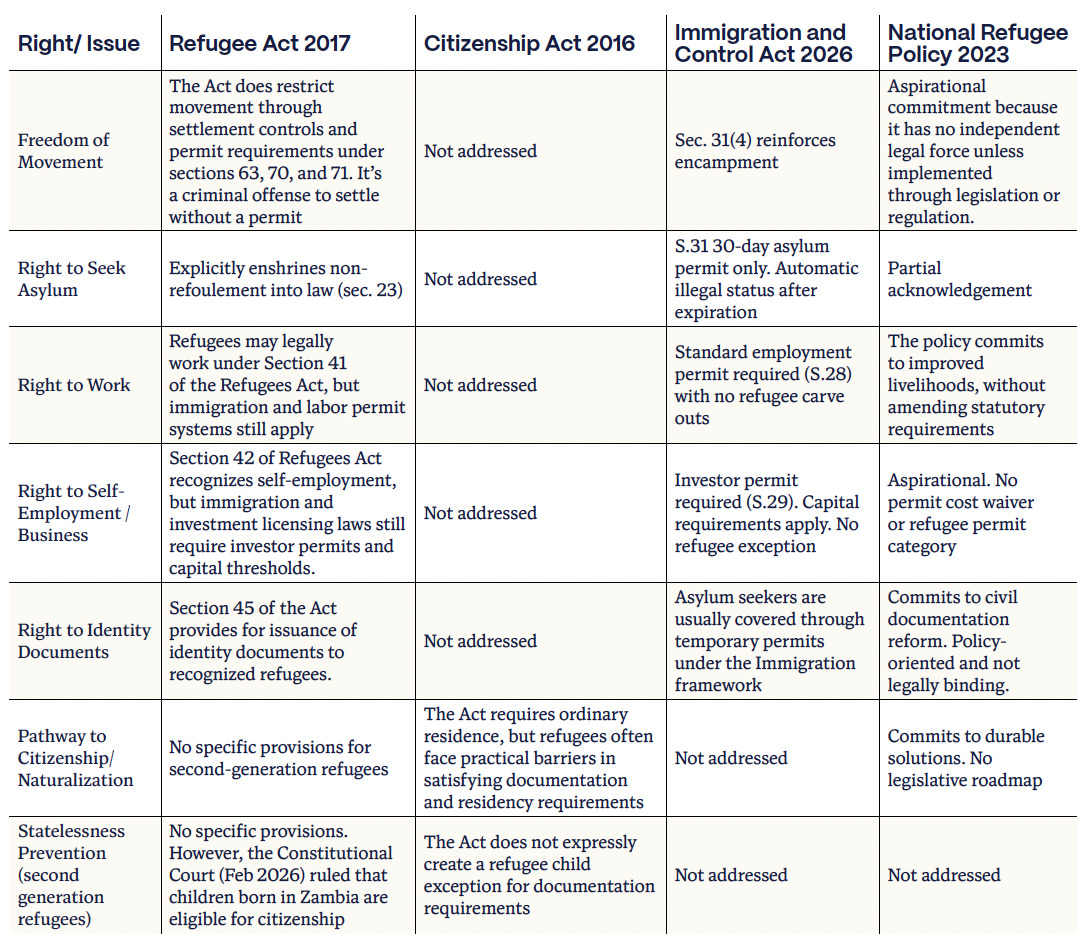
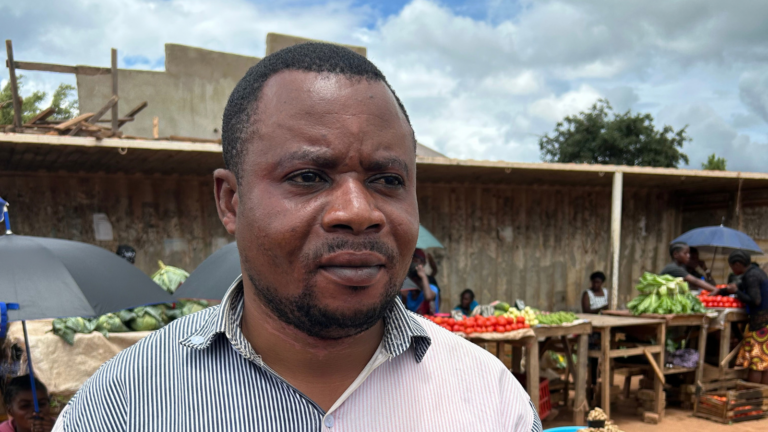
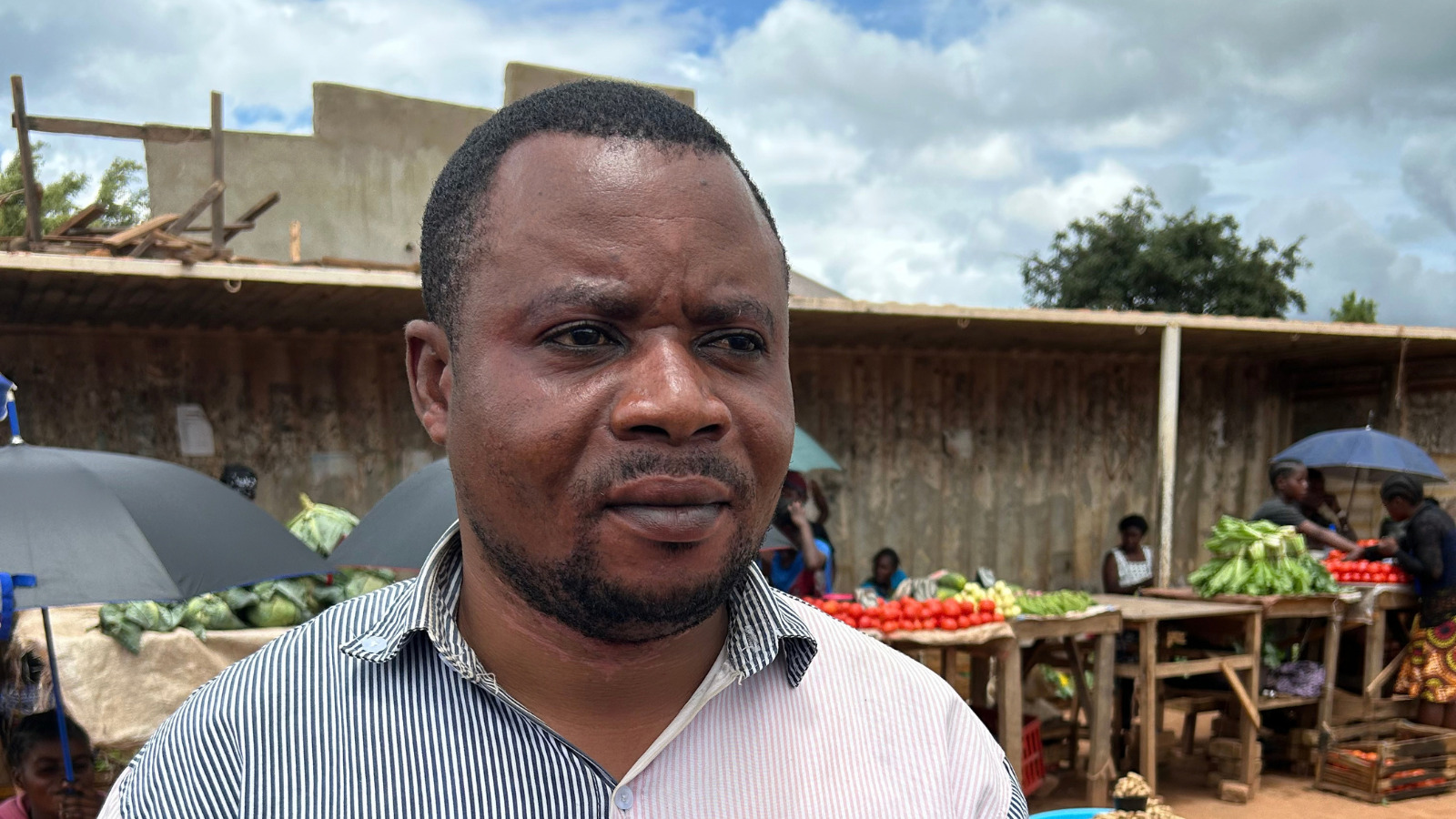
Featured Image: JM* fled fighting in eastern Congo over a decade ago. He sells sweets and biscuits to earn a living. Photo by Refugees International.
Sign up for our updates on the most pressing displacement and humanitarian issues.
Global voices for rights and refuge
With your help, we create a more welcoming world for people seeking refuge.
Refugees International is a 501(c)(3) non-profit organization.
EIN number: 52-1224516
CFC Code: 10664
About the Author